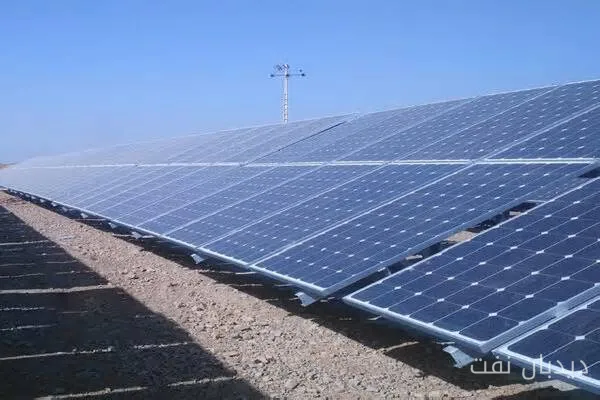
Meisam Jafarzadeh, on the sidelines of the eighth Iran Solar Power Conference and speaking to reporters, stated: The electricity imbalance in the country is not solely due to a lack of production capacity, but rather a combination of structural challenges in production, fuel supply, transmission, distribution, and consumption management play a role in its formation. Therefore, the development of renewable energy must be pursued within the framework of a comprehensive plan to enhance the sustainability and security of the electricity grid.
Investment Opportunities in Solar Energy
He added: Given Iran's climatic capacities, solar energy is one of the important investment opportunities in the electricity industry and can help diversify production sources and reduce fossil fuel consumption while alleviating pressure on thermal power plants; however, solar energy is part of the solution to the imbalance, not a substitute for structural reforms in the electricity industry.
Read more: National Oil Products Distribution Company launched a tracking system for leftover cards
The Necessity of Attention to Energy Security Architecture
The CEO of Lavan Energy Holding emphasized the necessity of paying attention to the architecture of the country's energy security, stating: The development of solar power plants must be in line with the network's acceptance capacity, transmission infrastructure, and actual consumption needs. In large-scale projects, the construction of substations and transmission lines, the use of energy storage systems, and the management of production fluctuations are essential requirements for sustainable and economical operation.
Jafarzadeh pointed out the necessity of creating a reliable environment for investor participation, stating: Investment in energy infrastructure has a long-term nature, and without regulatory stability, transparent electricity sale mechanisms, guaranteed receivables collection, and the ability to predict return on investment, widespread and continuous private sector participation cannot be expected.
He added: Utilizing the capacity of the banking network, capital market, and modern project-based financing models, alongside managing economic and currency risks, can accelerate the implementation of renewable projects. In this path, coordination among policymakers, financial institutions, and investors is an unavoidable necessity.
This official emphasized the importance of investment quality, stating: The criterion for success in renewable development is not merely the amount of installed capacity; rather, the actual production capacity, design and execution quality, grid connectivity, utilization factor, and economic return of projects should be the basis for evaluation.
Jafarzadeh also noted: The issue of energy security is no longer limited to peak summer consumption; the limitation of fuel supply for thermal power plants in winter has also highlighted the necessity of diversifying production sources and developing renewable energy.
He concluded by emphasizing: Sustainable energy security cannot be achieved merely by increasing power plant capacity; rather, it results from balanced production development, strengthening the grid, enhancing the efficiency of existing power plants, managing consumption, and smart investment. Solar energy plays an important role in this path, but fundamentally solving the electricity imbalance requires structural reform and governance of the country's energy industry.
Read more: Hossein Sharafati Rad: The fight against smuggling should not lead to public dissatisfaction · The CCS dockless platform was installed in the Liverpool Sea



