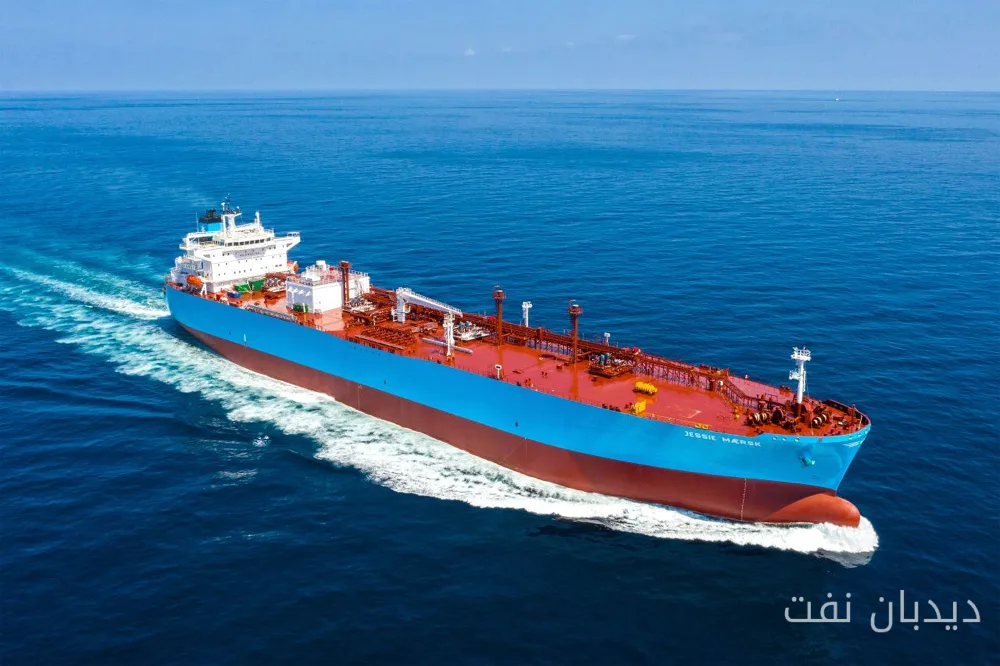
The Daclas platform has been installed as the world's first marine platform for the transportation and storage of carbon dioxide (CO2) aimed at reducing industrial carbon in the Liverpool Sea. This platform is part of the larger carbon capture and storage (CCS) project in the Liverpool Sea, which aims to reduce carbon in various industries.
Details of the Daclas Platform
The Daclas platform is designed to act as a marine hub for the CO2 transportation and storage system in the Liverpool Sea. This platform receives CO2 from industrial facilities in North West England and North Wales and transfers it to empty natural gas reservoirs owned by Eni through an existing network of marine pipelines. This gas will be used for permanent storage.
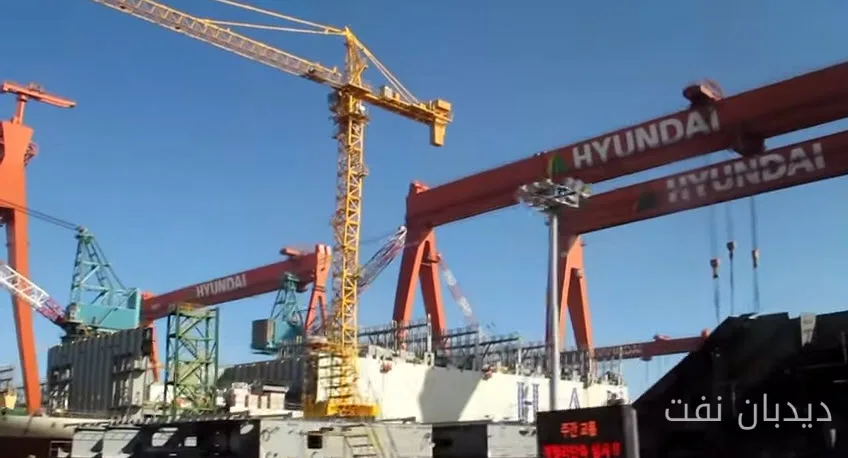
The structure of this platform includes a surface facility weighing 1885 tons, a supporting structure weighing 1755 tons, and eight foundational legs with a total weight of 730 tons. This platform was completed in less than 18 months after the contract was awarded, following an accelerated engineering, procurement, construction, and installation (EPCI) program.
Progress of the CCS Project in the Liverpool Sea
The construction of the entire CCS network in the Liverpool Sea is currently about 50 percent complete. This project will serve as the main infrastructure for the HyNet industrial cluster and will include a combination of built and refurbished infrastructures. Utilizing over 75 miles of existing pipelines, three marine structures, and one onshore processing plant, along with 21 miles of new pipeline, this project will connect industrial facilities in the area to the Liverpool Sea transportation and storage network.
The first phase of this project is expected to store 109 million tons of CO2 over its operational lifetime. The initial storage capacity will be 4.5 million tons per year, with the potential to increase to 10 million tons per year after 2030. The CCS project in the Liverpool Sea is also expected to create around 2000 jobs during construction and activate nearly £2 billion in supply chain investment.
Read more: Saipa unveils the Arya plug-in hybrid project to reduce fuel consumption · Iran seeks to develop battery storage for the electricity industry