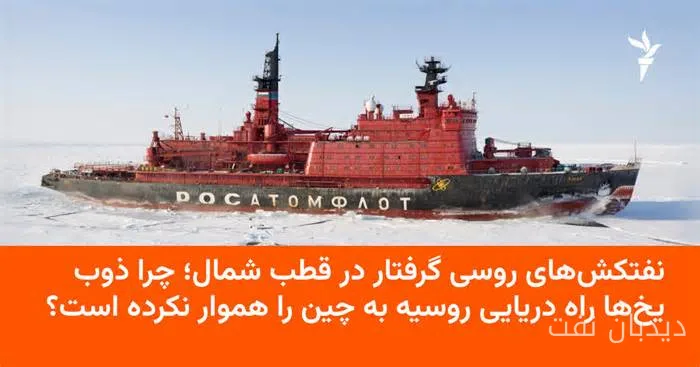
Maritime trade on Russia's Northern Route (NSR) has broken last year's record by registering 104 transits as of September 30, 2023. This maritime route has become one of the important destinations for international trade due to the increase in Russia's energy exports and its unique geographical conditions.
Significant Growth in Transits and Shipments
According to new statistics, the total volume of transited shipments reached 3.7 million tons, showing a 15 percent increase compared to last year. Additionally, the deadweight tonnage of the vessels using this route has also increased by 26 percent to 7.8 million tons. It is expected that the number of transits this season will reach about 150 trips and over 4.5 million tons of cargo.
Read more: Oman Government Ends Contract with Maersk Operator at Salalah Port
Key Role of Tankers in Russia's Exports
Tankers, as the main factor in this increase, have made 22 trips eastward, transporting approximately 2.1 million tons of Russian crude oil to Asian destinations. Additionally, other loading vessels have carried 1.1 million tons of cargo eastward. Western activities also include vessels moving from Asia to Russia.
Moreover, the increase in Russia's energy exports, especially oil, has contributed to the significant growth in transits on this route. The volume of Russian oil exports via the NSR has increased by nearly 50 percent this year, with about 20 million barrels of oil sent to Asia between July and mid-October.
Developments in the Strait of Hormuz, the Suez Canal, and the Black Sea have made traversing this costly and potentially dangerous route more attractive. Additionally, Russia's liquefied gas exports have contributed to this increase in traffic, with four liquefied gas shipments totaling approximately 300,000 tons recorded.
However, the increased use of this environmentally sensitive route has raised concerns. Environmental experts have warned about the negative impacts of commercial activities in this area. The increase in oil activities raises the risk of oil spills in the remote Arctic waters, where harsh conditions and limited infrastructure make it difficult to respond to incidents and control pollution.
Read more: Houthi Advances and Their Impact on China-Saudi Oil Relations · Tankers Violating Regulations Collide with Mines in Southern Strait of Hormuz