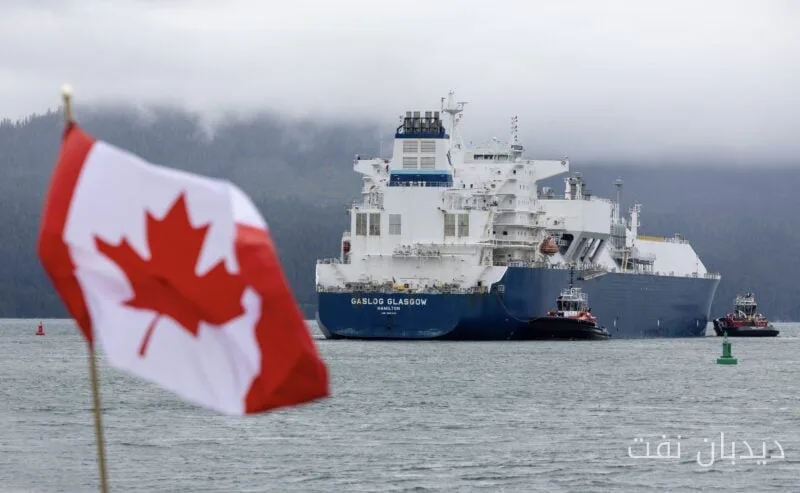
LNG Canada, by approving Phase 2, aims to double its production capacity to 28 million tons per year. This decision was made following a meeting of project partners including Shell, Petronas, PetroChina, Mitsubishi, and Kogas.
Details of Phase 2 and Implementation Timeline
Phase 2 includes adding two liquefaction units to the existing facilities in Kitimat. A new storage tank for LNG and a condensate tank will also be added to the project. Commercial operations from this phase are expected to begin in the early 2030s. This decision is seen as a significant step towards increasing Canada’s LNG export capacity, just one year after the commencement of exports from the country’s large LNG terminal.
Economic Impacts and Transportation Capacity
Upon completion of Phase 2, LNG Canada’s nominal capacity will increase from 14 million tons per year to 28 million tons. This project will also lead to the construction of five new compressor stations along the Coastal GasLink pipeline, facilitating gas supply from northeastern British Columbia to Kitimat.
The project is expected to create up to 4,000 jobs in Kitimat at its peak, and the construction of the Coastal GasLink compressor stations will require about 2,100 workers. Shell, as one of the largest shareholders in the project, will increase its share of this expansion to nearly 6 million tons per year of LNG, emphasizing the growing demand in Asian markets.
This project is considered a priority for the federal and British Columbia governments in increasing energy exports beyond the United States. With the completion of Phase 2, LNG Canada will rank among the largest LNG export facilities in the world, significantly enhancing Canada’s presence in the global LNG trade.