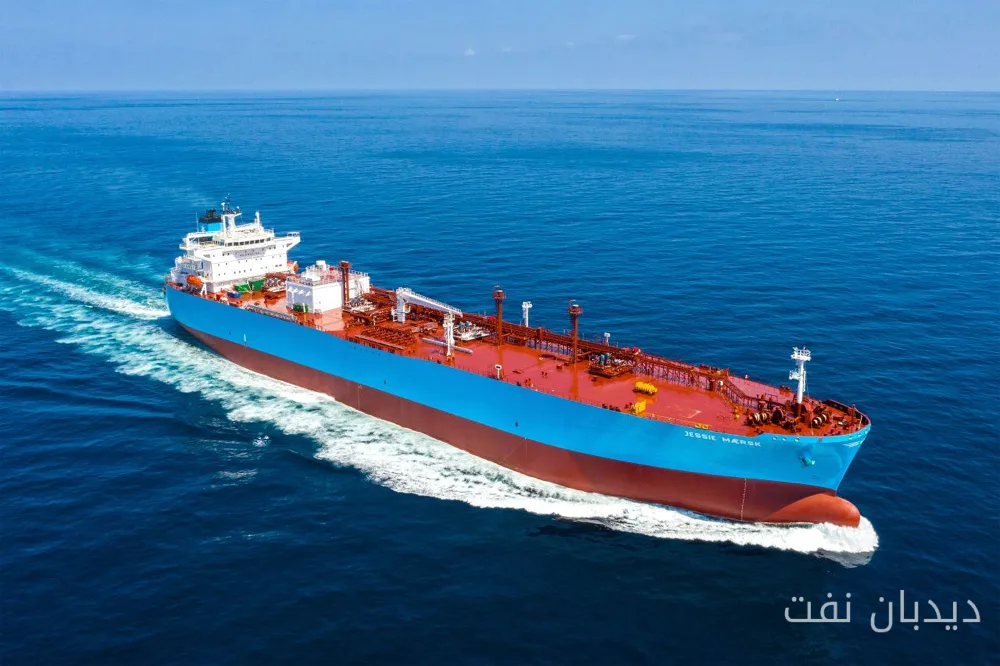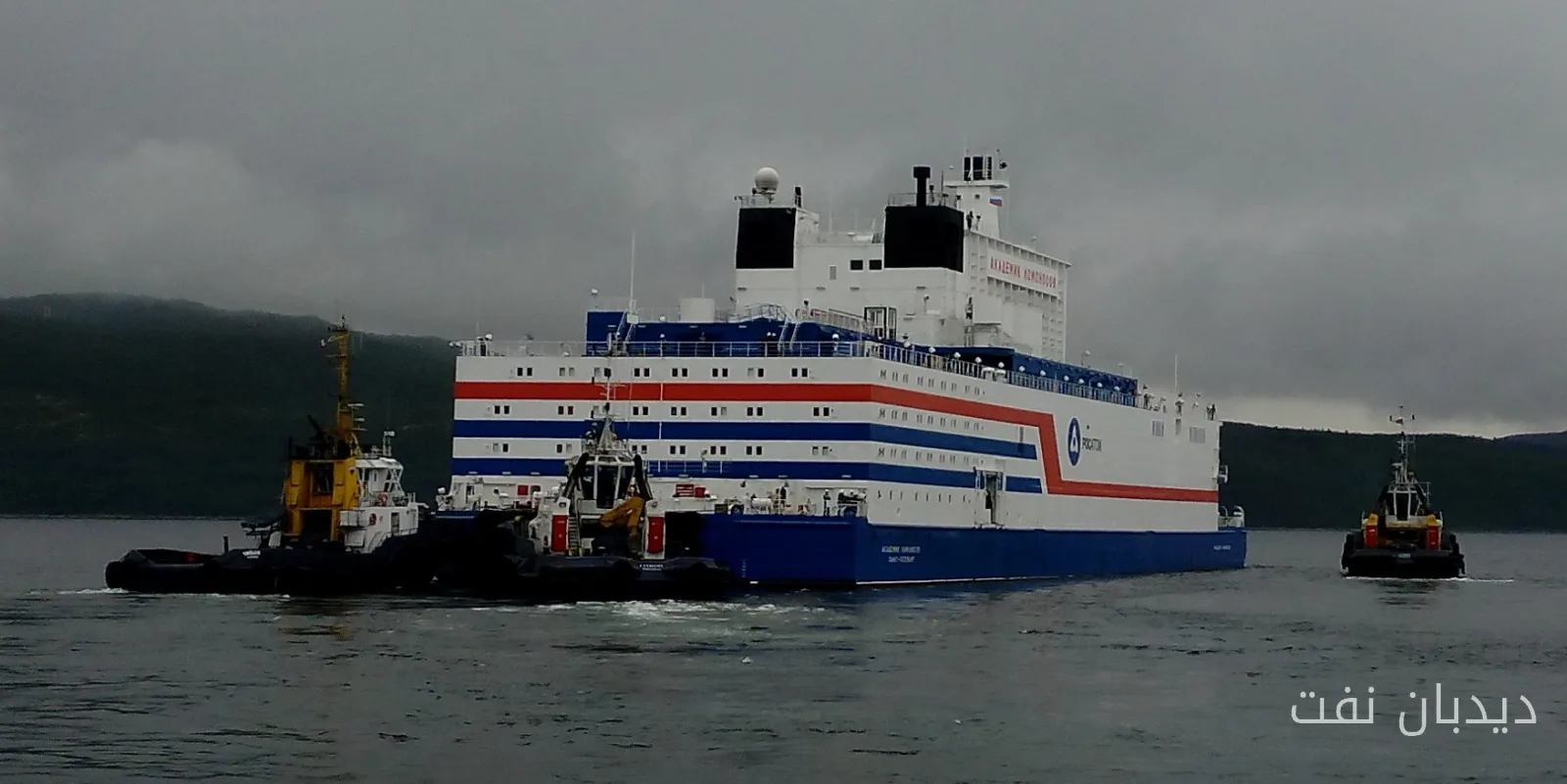
Lloyd's Register and the British Ports Association have called on ports in a new report to prepare for the arrival of nuclear ships and micro-reactor units. These potential changes could help accelerate the carbon reduction process in ports and allow them to utilize clean energy.
Energy Needs in Ports
Ports have increasingly become reliant on energy-intensive electrical equipment and have invested in electrification to reduce their carbon footprints. The need to supply electricity for electric cranes, electric vehicles, and shore power stations may exceed local electricity supply capacity. As a result, the existence of a charging station for electric ships could necessitate costly upgrades. Lloyd's Register suggests that small nuclear energy could meet the basic energy needs of a port and provide them with greater independence from the local power grid.
Nuclear Risks and Opportunities
Mark Tipping, Head of Power at Lloyd's Register, said: "Advanced nuclear energy can transform ports from energy consumers to low-carbon industrial and energy hubs. However, realizing this opportunity depends not only on technology. Ports must assess governance, appropriate guarantees, and early collaboration in the maritime and nuclear sectors." A small reactor with a capacity of 100 megawatts could cover the energy needs of an average port and several of its tenants.
Additional benefits include energy resilience during network disruptions and process heat (waste heat) for use by industries near the port. Ports that require more electricity and have limitations on power supply from the grid are more likely to benefit from a nuclear reactor.
However, regulatory frameworks for nuclear power and modular reactors are still seen as a limiting factor, and a long period of collaboration is needed to establish appropriate regulations. In the meantime, ports can prepare for engagement with regulatory bodies, workers, and local communities by assessing their future energy needs, network limitations, and stakeholder requirements.
Lloyd's Register and the British Ports Association predict: "Ports that start planning now will perform better in making informed investment decisions, maintaining public trust, and influencing the regulatory and commercial frameworks that will define the role of nuclear in next-generation maritime infrastructure."