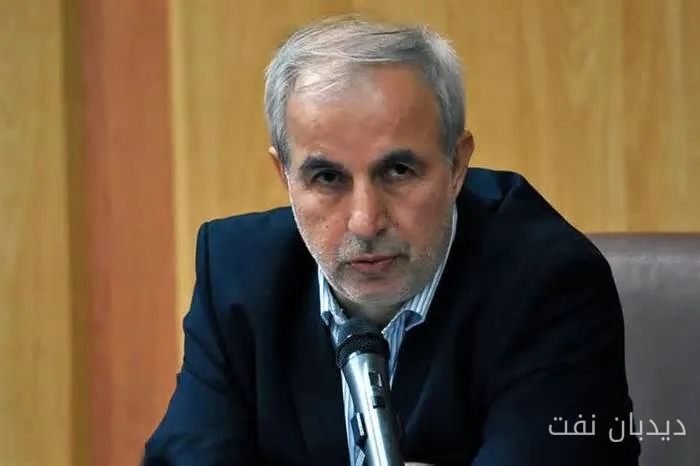
Jabbar Kuchakinejad, the representative of the people of Rasht and Khomam in the Islamic Consultative Assembly, pointed out the importance of comprehensive energy consumption management in the country and stated that in the current situation, ignoring the issue of energy consumption is not possible. He also noted that energy management has become one of the important economic issues of the country and requires a serious transformation in management methods and consumption patterns.
The Necessity of Reforming the Energy Consumption Pattern
Kuchakinejad stated that reforming the energy consumption pattern in the current conditions has cultural and social dimensions in addition to economic ones. He emphasized that to improve the status of energy resources in the country, attention must be paid simultaneously to the various factors related to consumption. Otherwise, energy resources will not be optimally available to productive and economic sectors.
This parliament representative, referring to the shortage or imbalance of energy, said that this situation should not disrupt the economic activities of the country. He emphasized the necessity of accurately determining the share of different sectors in energy consumption and pointed out that it should be clarified how energy is consumed in the country and how much of it is wasted due to equipment wear or inefficient consumption.
Management of Energy Waste and Water Resources
Kuchakinejad also referred to the issue of water wastage in outdated networks and emphasized that water consumption management should be pursued simultaneously with the modernization of equipment and infrastructure. He said, "We cannot place all the responsibility for reducing consumption on the end consumer."
He referred to existing statistics showing that the share of drinking water from the total water consumption in the country is less than 10 percent, and a significant portion of water consumption, about 80 percent, occurs in the agricultural sector. The representative of the people of Rasht and Khomam emphasized the necessity of focusing on reforming the consumption pattern in the agricultural sector and stated that the amount of water consumption in this sector indicates a significant capacity for reducing consumption and preventing water wastage.
Kuchakinejad also pointed to the role of the automotive industry in managing fuel consumption and added: "We cannot expect people to reduce their fuel consumption while simultaneously providing them with high-consumption and low-efficiency vehicles." He called for accountability from automakers regarding the fuel consumption of their products and emphasized the necessity of producing low-consumption vehicles and improving technical standards.
In conclusion, Kuchakinejad stated that energy consumption management in the country must become a sustainable and planned policy, and in this regard, both the consumption pattern must be reformed, and energy wastage in outdated devices and infrastructure must be addressed.