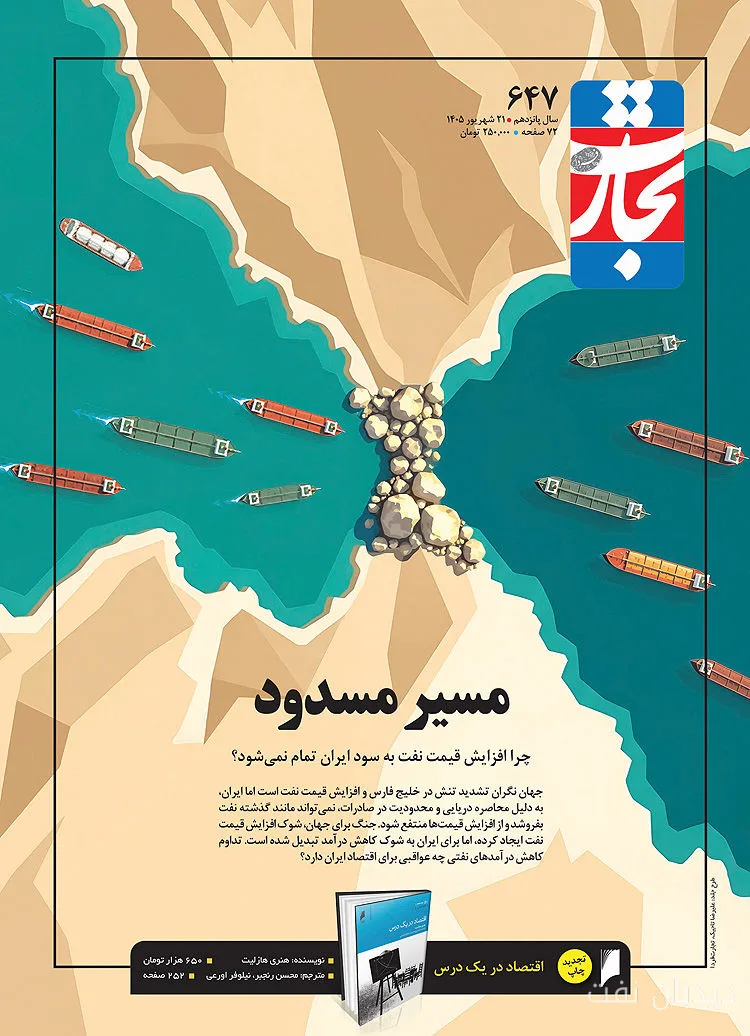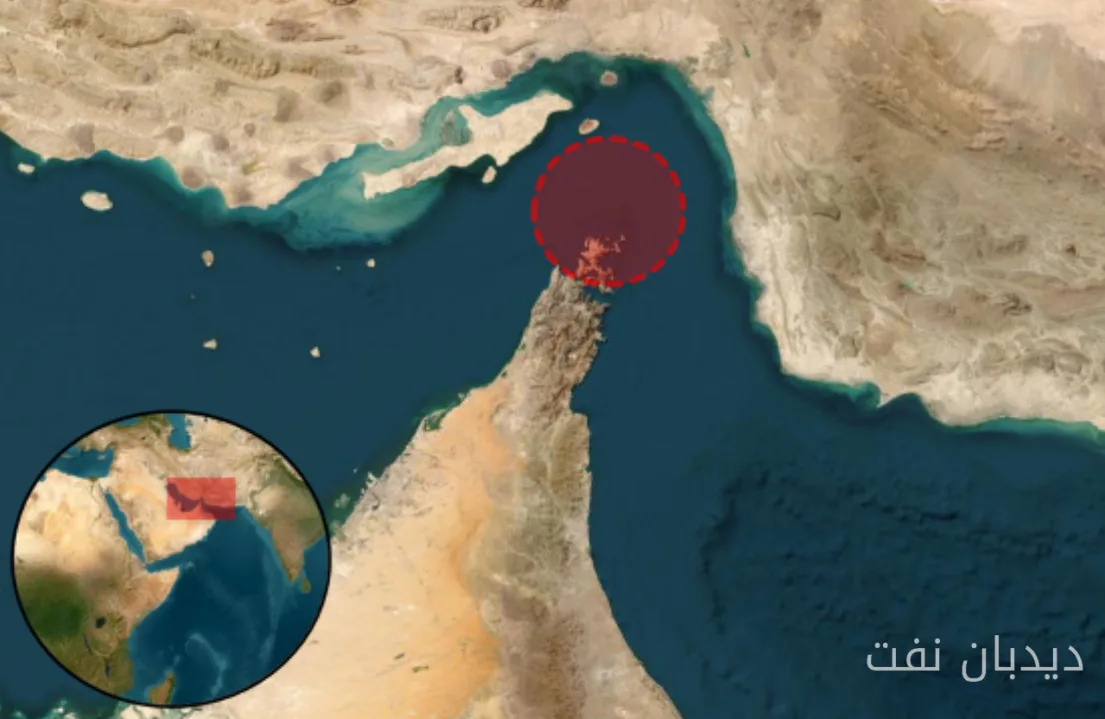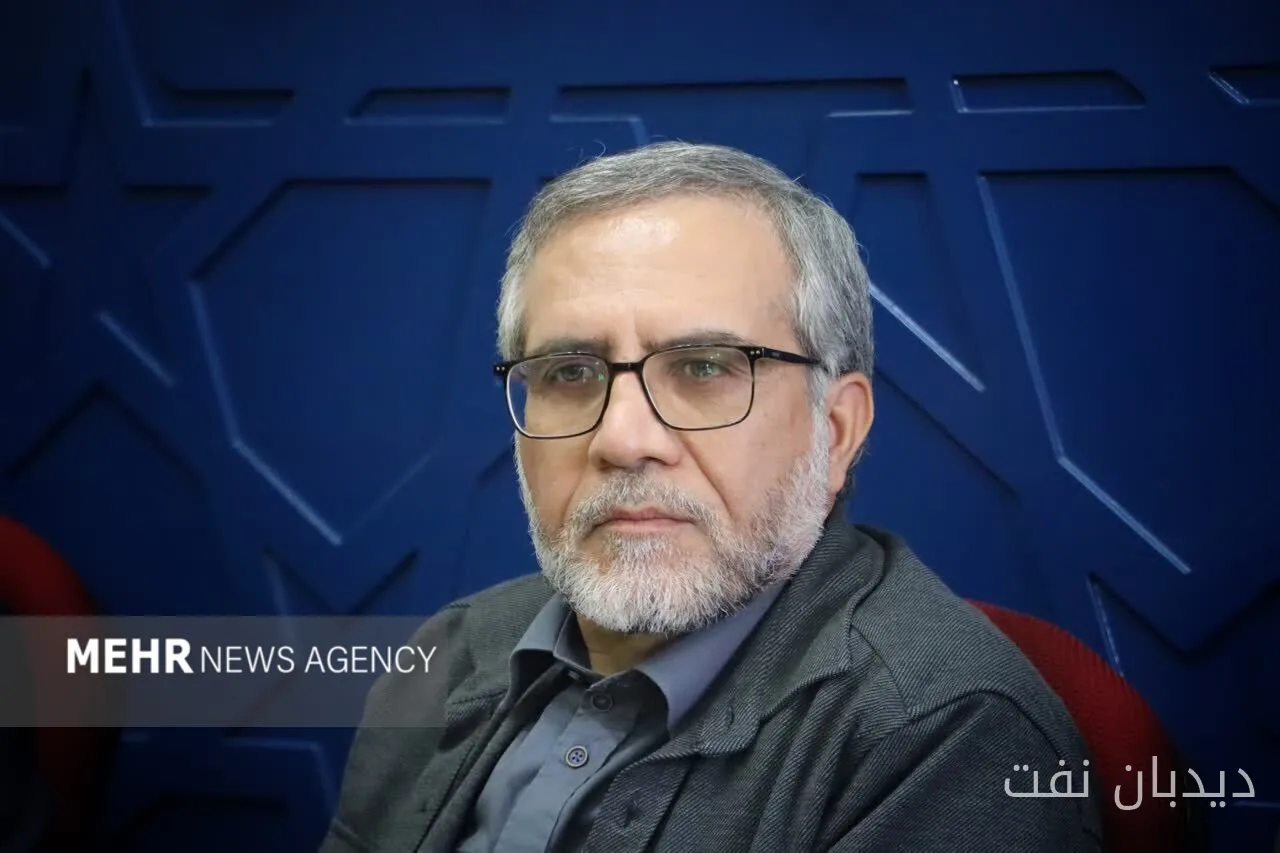
Iran's strategy shift in national and military security is clearly evolving. According to statements from members of the National Security Commission, it seems that Iran, by adopting a preemptive aggressive approach, has challenged regional and international equations. In this context, Golroo, a member of this commission, referred to recent developments in the Strait of Hormuz and said: "What has dominated the Strait of Hormuz for 60 years has changed today."
Analysis of Changing Equations
Golroo spoke about fundamental changes in this region, referring to the history of foreign military presence in the Strait of Hormuz. He stated: "The presence of these forces used to act as a deterrent, but now the situation is different, and Iran has moved towards an aggressive strategy."
This change in approach could have widespread impacts on maritime security and global trade. In recent years, Iran has repeatedly threatened to respond violently in the event of any aggression. This new policy seems to be able to act as a tool to strengthen Iran's position on the international stage.
Collaborating Countries in Iran's Attack
On the other hand, Golroo also mentioned potential collaborations between Iran and neighboring countries, stating that these collaborations could help strengthen Iran's position against external threats. Especially in the current circumstances where tensions in the Middle East have reached their peak, military collaborations could act as a deterrent and place Iran in a more powerful position.
Ultimately, this strategy shift could be seen as a wake-up call for Western countries, particularly the United States. While some neighboring countries are seeking to strengthen their collaborations with Iran, many questions remain regarding the future of security in the region and its impacts on the Strait of Hormuz.