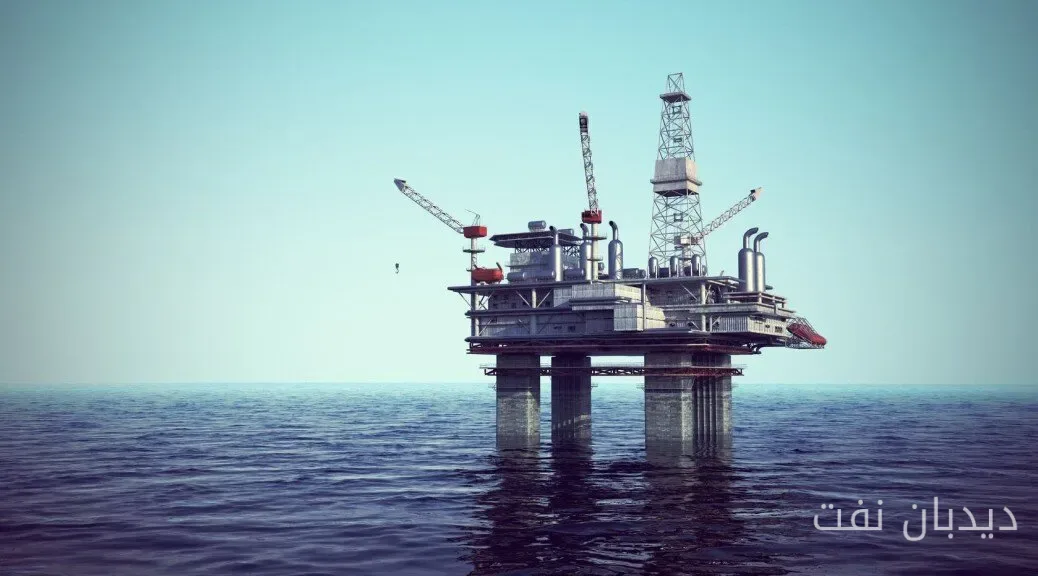
Iran's maritime crude oil exports have reached zero in the second week of September 2023 and have remained at this level until October 5. This situation is due to maritime restrictions and international sanctions that have impacted the ability to export oil. However, reports indicate that some of Iran's oil is trapped in tankers, and limited exports of products such as liquefied gas and jet fuel, using more complex methods, are still ongoing.
Economic Impacts of the Halt in Oil Exports
The halt in crude oil exports, which is considered the main source of foreign currency income for the country, can have serious consequences for Iran's economy. Reports indicate that oil revenues not only directly affect the government's budget but also indirectly impact other economic sectors. The dependence on oil revenues is such that any fluctuations in exports can lead to serious crises.
Read more: Special Session on Examining Energy Efficiency Challenges in Energy-Intensive Industries
In the 2026 budget, the share of oil has been raised as one of the controversial topics. The Court of Audit estimates the share of oil at about 30 percent, while some representatives believe that if withdrawals from the National Development Fund and energy-related resources are also considered, the actual dependence could be more than 35 percent. This discrepancy indicates that dependence on oil cannot be measured solely by a direct line in the budget.
Opportunities and Challenges of Economic Reform
The current conditions could present an opportunity for economic reforms, but implementing these reforms comes with challenges. The government must move towards financial transparency and increasing tax revenues instead of relying on oil income. Currently, economic pressures from the war and trade restrictions have affected business activities, and a sudden increase in taxes could put more pressure on the formal and registered sectors.
The experience of countries that have strengthened their economic capacity using oil revenues shows that oil revenues should be used as a backing for building sustainable economic infrastructure. If the government moves towards investment and strengthening public assets instead of using oil revenues to cover recurring deficits, it can take advantage of this critical situation.
Ultimately, tax reforms and improving transparency in resource allocation require agreement beyond the executive branch. If the government only navigates this siege through borrowing and higher taxes on the formal sector, reform opportunities will simply be lost.
Read more: Turkey's Foreign Minister Warns of Economic Consequences of Closing the Strait of Hormuz · Discovery of 32,000 Liters of Smuggled Diesel in Islamabad-e Gharb by Kermanshah Police