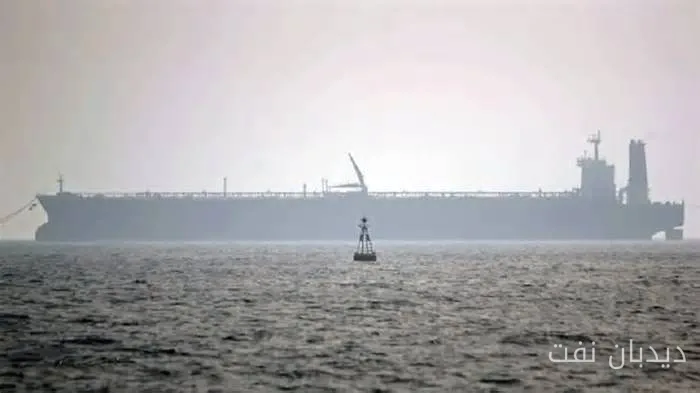
In recent weeks, Iran has faced serious challenges in exerting control over the Strait of Hormuz. Following the start of the war between the U.S. and Israel on February 28, the Islamic Revolutionary Guard Corps of Iran attempted to exert pressure on the global economy by threatening to close the Strait of Hormuz. However, it now seems that this leverage is eroding.
Changes in Oil Export Routes
Middle Eastern crude oil exports, excluding Iran, returned to pre-war levels in September. Estimates from the data tracking platform 'Kpler' indicate that Arab countries exported at least 16.5 million barrels of oil per day from the region this month. This increase was primarily driven by Saudi Arabia, which significantly ramped up its exports following the attack on the Red Sea pipeline.
Read more: Development of decentralized solar power plants with a capacity of over 664 megawatts in Iran
Shipping data shows that Saudi oil shipments reached over three million barrels per day in the first three weeks of September, more than three times the amount in August. This increase in exports through the Strait of Hormuz indicates strategic changes in oil export routes.
Impacts on the Global Energy Market
Despite the increase in Arab oil exports, global oil prices remain influenced by geopolitical risks and high shipping rates. The reopening of the Strait of Hormuz coincided with a 57 percent spike in Brent prices. The global energy crisis continues, and fuel prices have reached record highs due to ongoing bottlenecks at refineries.
With recent developments, it seems that Iran has lost its leverage over the Strait of Hormuz and has diminished its ability to compel other countries to accept its demands. Additionally, the U.S. blockade has also impacted Iran's control, depriving the country of billions of dollars in oil revenue.
Recent developments in the Strait of Hormuz and the increase in Arab oil exports indicate significant changes in the global energy equations. Despite Iran's challenges, the country still retains the ability to threaten commercial shipping and oil infrastructure, and this situation could lead to further volatility in the energy market.
Read more: Jiehui Shipping is selling its old oil tanker for $14.6 million · 800,000-ton reduction in fuel oil supply due to tensions in the Middle East