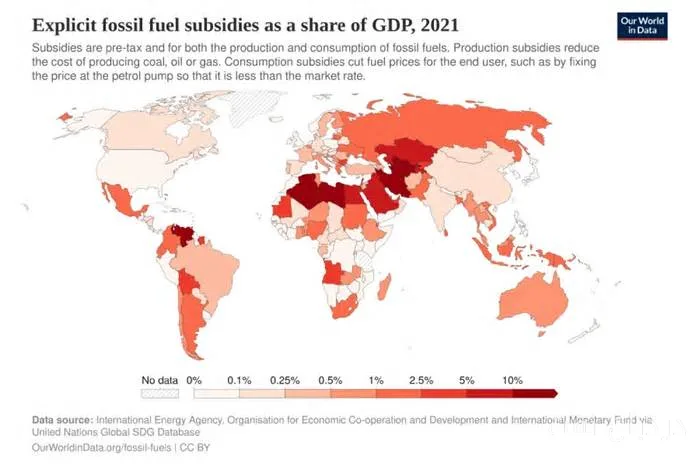
Iran, with a figure of $35.81 billion in fuel subsidies, ranks first among countries with the highest fuel subsidies. This ranking was published in April 2026 and refers to data from the International Energy Agency (IEA). This figure does not mean that the Iranian government has directly paid this amount from its cash budget.
Method of Calculating Fuel Subsidies
The International Energy Agency calculates the fuel consumption subsidy using the "price gap" method, which measures the difference between the reference energy price and the price paid by consumers. For exporting countries like Iran, a significant part of this figure can be attributed to the opportunity cost of selling domestic fuel at prices lower than reference prices. This indicates the magnitude of the estimated price gap in Iran's fuel consumption, rather than necessarily a cash payment equivalent to this amount from the government budget.
Read more: Abbas Aliabadi emphasized the need for energy consumption management in winter
Comparison with Other Countries
After Iran, Indonesia with $12.67 billion and Saudi Arabia with $12.26 billion rank next. Iran's fuel subsidy figure is nearly 2.8 times that of Indonesia. This comparison shows that fuel subsidies in Iran are significantly higher than in other major oil-producing countries.
The issue of fuel subsidies in Iran cannot be examined separately from the consumption pattern. Part of the pressure on energy resources is related to factors such as high consumption of old vehicles, low vehicle efficiency, fuel smuggling, and poor consumption management. For this reason, any discussion about reforming fuel subsidies can simultaneously focus on several axes.
On one hand, the IEA warns that widespread and non-targeted subsidies can distort prices and lead to increased consumption and financial pressure. On the other hand, the IEA itself emphasizes that governments face a significant issue in keeping energy affordable for consumers, and energy support still exists in many countries.
Ultimately, what combination of these policies is implemented is an economic and policy decision that requires simultaneous consideration of its effects on inflation, government budget, fuel consumption, household welfare, and investment in the energy sector.
Read more: New US sanctions against Iran and Russia's banking network · New research estimates the cost of building a nuclear tanker to be 2.5 times more than a conventional tanker



