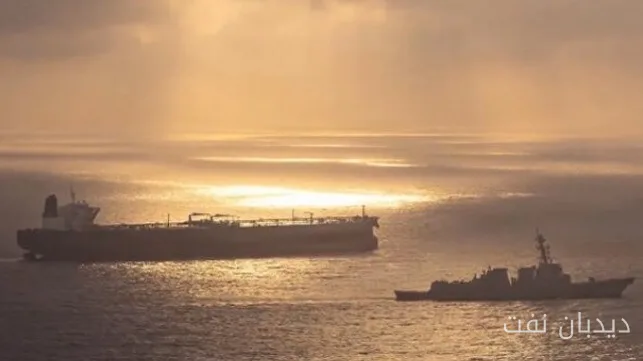
Iran is trying to reduce the U.S. maritime and economic blockade, but it seems to have an inaccurate assessment of its bargaining power against the United States and its Gulf allies.
Impact of the blockade on Iran's economy
The economic pressure from the blockade has had profound effects on meeting basic needs and the financial resources of the Iranian government, and this situation is worsening day by day. In this regard, the United States has recently expanded its economic blockade to air traffic, shutting down foreign flights and preventing aircraft from entering Iranian airspace due to the risk of sanctions.
Read more: The training ship Empire State is set to sail at the direction of MARAD
Challenges in negotiations
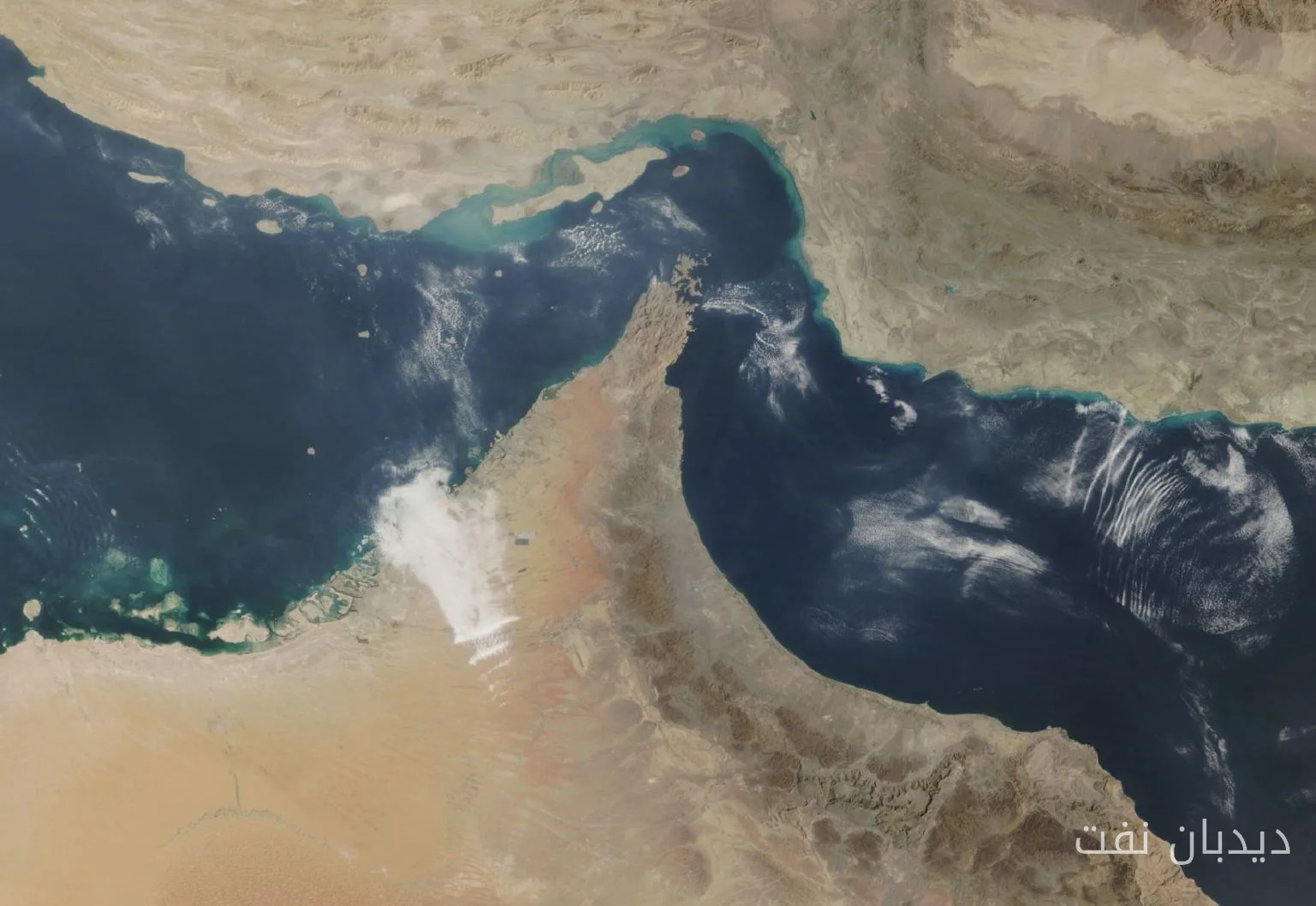
Hassan Rouhani, the President of Iran, emphasized the necessity of the acceptance of Iran's seven preconditions by the United States in his speech at the United Nations General Assembly. However, the United States and its Gulf allies do not feel an immediate pressure to reopen the Strait of Hormuz. The Gulf countries have explicitly stated that they will not attend the annual conference in Salalah, where Iran intended to gain permission for permanent control over the Strait of Hormuz.
With the resistance of the United States and the Gulf countries, hardliners in the Islamic Revolutionary Guard Corps of Iran are trying to expand their threats. General Yahya Rahim Safavi, the senior military advisor to Iran's new leader, told Fars News Agency that conflicts may extend to the Red Sea and even the Indian Ocean. These threats seem specifically aimed at applying political pressure on the United States and Gulf countries.
Iran also possesses ballistic capabilities that could pose a serious threat to the Gulf countries. These capabilities have been enhanced with the help of satellite intelligence from China and Russia and have shown high accuracy. The use of these capabilities could lead to targeting Gulf countries, which could provoke aggressive reactions from Israel and other allies.
Currently, Iran is facing significant challenges, even if the country's state media portray a different image. In the background, intense conflicts among Iranian leaders seeking meaningful negotiations are taking place.
Read more: Oman’s Foreign Minister: Tensions in the Strait of Hormuz threaten global energy security · Discovery of 30 trillion rials of smuggled goods by the police in eastern Tehran province