In recent months, Iran has managed to export some shipments of liquefied gas and jet fuel abroad despite US maritime sanctions. Maritime data shows that exports of these products began in July and include at least eight liquefied gas tankers and one jet fuel tanker to Myanmar.
Withstanding sanctions and new strategies
According to maritime security experts, Tehran has concealed its shipments in recent weeks amid increased ship-to-ship transfers by other Gulf producers near Oman. While these exports are a fraction of Iran's previous energy exports, they demonstrate Tehran's ability to circumvent sanctions.
Read more: Seascape Energy received 45% of the operating contract in Malaysia
Analysis conducted by an American advocacy group indicates that at least eight Iranian LPG tankers have departed from the Gulf of Oman since mid-July. Additionally, another tanker carrying Iranian jet fuel arrived in Myanmar in September. While the US has imposed targeted sanctions on Myanmar's jet fuel industry in 2023, Myanmar's military government has consistently denied allegations of targeting civilians.
Number of tankers and shipments subject to sanctions
Six of the eight liquefied gas tankers and the jet fuel tanker are under US sanctions due to carrying Iranian oil and petrochemical products. Experts have also noted that Iranian liquefied gas shipments are primarily directed towards foreign ports in Malaysia and then to China.
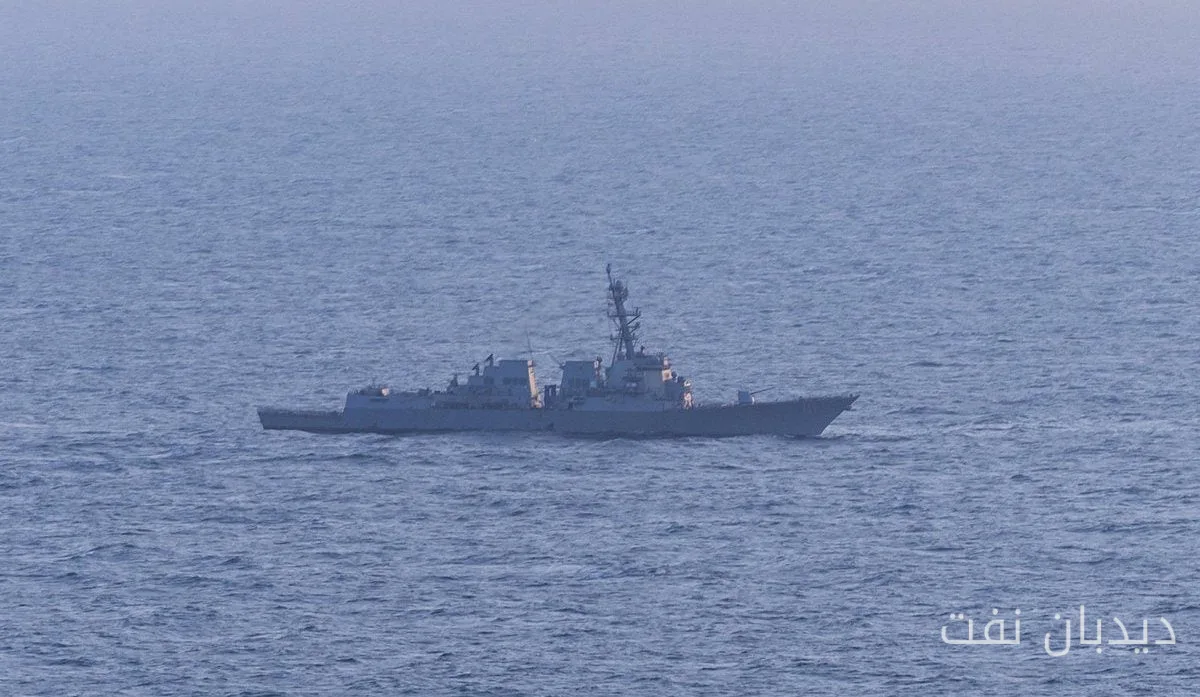
The Iranian government has not responded to requests for comment, and Myanmar's military government has also not commented on receiving Iranian jet fuel. The US Central Command has stated that its maritime blockade, which has been in place since April 13 on oil exports related to Iran, is considered "robust," and despite some ship crossings, each vessel is evaluated individually.
Since the reimposition of sanctions on July 14, four commercial vessels have been stopped by US forces, and 135 other vessels have been redirected. The US has also taken measures to prevent ships from passing through Asia and to seize some tankers.
Statistics indicate that Iran's crude oil exports reached zero in September, marking the first time since the beginning of analytical tracking in 2013. As economic conditions in Iran continue to deteriorate sharply, Tehran may be inclined to take greater risks for exporting its oil and petrochemical products.
Read more: The US seeks to reduce sanctions on tankers carrying Iranian and Russian oil · Sanctions on tankers restrict Iran's oil export routes