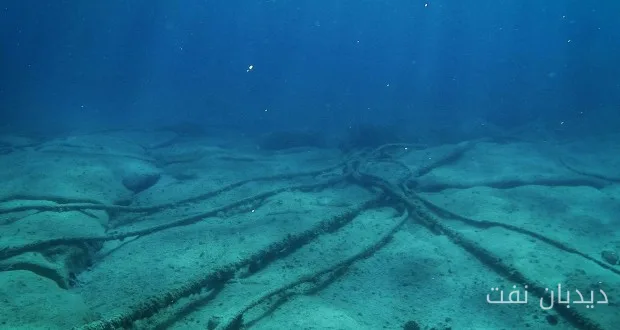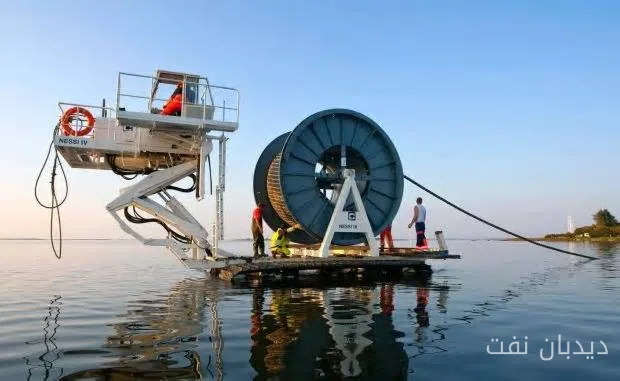
Iran, as a country that controls the Strait of Hormuz, has decided to charge major tech companies, including Google, for the passage of internet cables through this strategic route. This action not only helps reinforce Iran's sovereignty over the seabed but could also lead to new financial resources for the Tehran government.
Background and Importance of the Strait of Hormuz
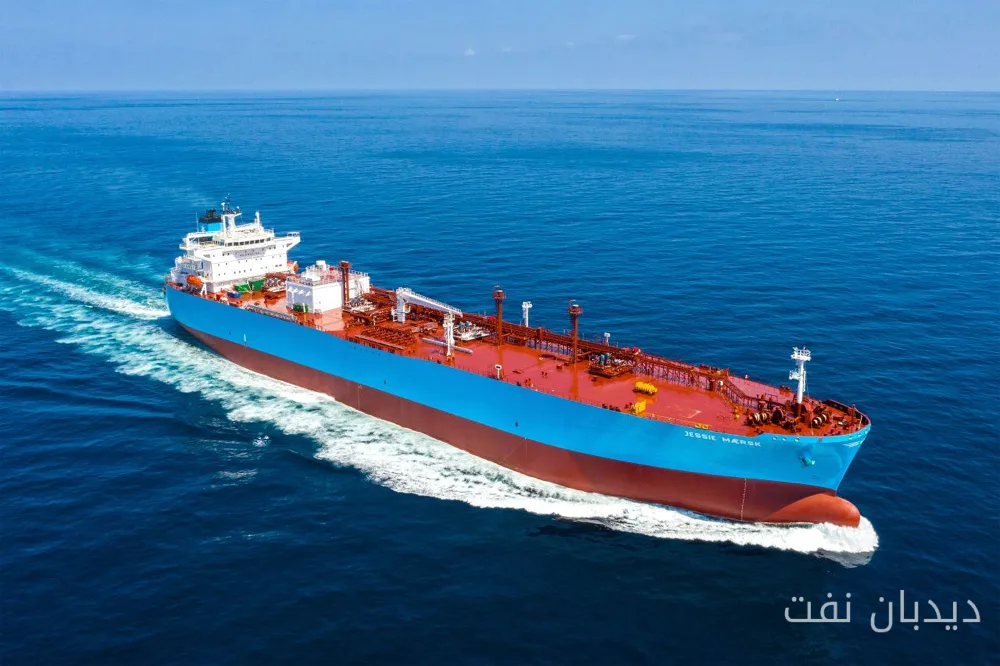
The Strait of Hormuz is recognized as one of the most important and strategic maritime passages in the world. This strait serves as the main gateway for oil and gas from the Persian Gulf to global markets, and control over it allows countries to influence the flow of energy and information. Therefore, by making this decision, Iran aims to consolidate its power in this region.
Read more: BIMCO has approved an addendum to support investment in modernization projects
Details of the Action and Consequences
Iran has officially announced that it will charge international tech companies for the passage of internet cables through the Strait of Hormuz. This action could be used as a new tool in Iran's economic and technological policies. Additionally, this policy could serve as leverage against countries seeking to reduce their dependence on Iranian oil.
Considering that many major tech companies are currently using the existing internet infrastructure in this region, this action could have significant impacts on Iran's economic and trade relations with these companies. If an agreement on these fees is not reached, tech companies may seek alternative routes for their cables, which could lead to a decrease in Iran's revenues.
Furthermore, this decision by Iran can be interpreted as a strategic move to defend the national and economic interests of the country. In a situation where Iran is under economic sanctions, creating new revenue sources through fees could help strengthen the country's economy.
Read more: HD Hyundai has begun collaborating with 11 other entities to establish a marine reactor testing center · Kazem Gharibabadi: The Strait of Hormuz is a red line for Iran's national security