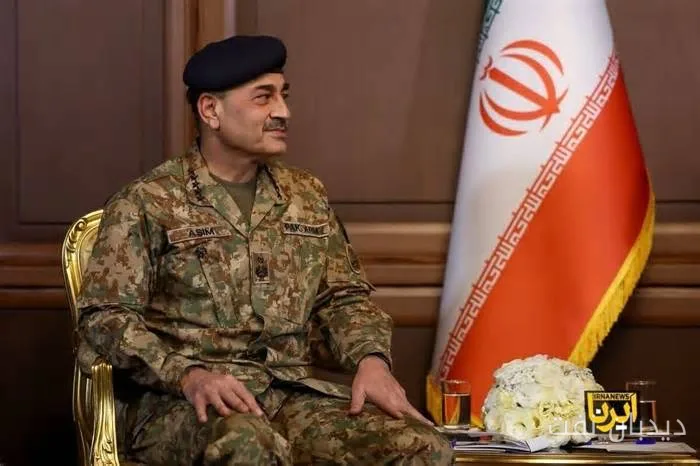
Asim Munir, the Chief of Army Staff of Pakistan, had announced a few hours ago the reopening of the Iran-Pakistan borders, but follow-ups indicate that the borders have remained closed until 9 PM tonight.
Failure to Reopen Borders
Despite negotiations, Pakistan Customs has refrained from reopening the borders. According to local sources, this action, especially under current conditions, will harm the trade relations between the two countries. Furthermore, the Pakistani side has announced that starting tomorrow, only the import of goods from Pakistan to Iran, the unloading of gas tankers stuck at border customs, and the export of fruits and vegetables from Iran will be permitted.
Read more: 121% Inflation of Food Items and Inadequate Coverage of One Million Toman Subsidy Card
Dimensions of Problems and Consequences
This method of reopening only addresses Pakistan's needs while leaving Iran's problems unresolved. The closed borders, especially in the current economic situation, could lead to serious issues for Iranian traders and businesses. Additionally, the lack of access to essential goods and raw materials may result in price increases and potential shortages in the Iranian market.
This situation is not only beneficial for Pakistan but will also negatively impact the long-term relations between the two countries. As both countries seek to improve trade and economic relations, such actions may lead to increased tensions and distrust between them.
It seems that serious negotiations and more sustainable agreements between the two countries are needed to improve the situation. Until these borders are reopened, economic and trade problems for Iran will persist.
Read more: Croatia Finalizes Sale of Uljanik Shipyard to Turkey's Kruz Star · Discovery of 4200 Liters of Smuggled Diesel in Mahshahr Port



