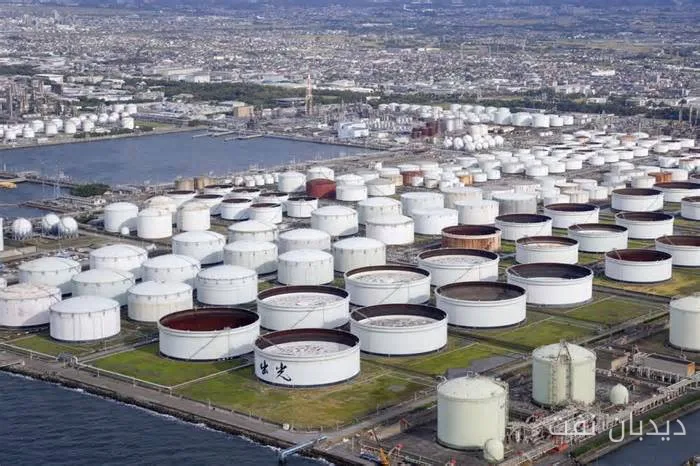
The International Energy Agency (IEA) has announced that it will release an additional 100 million barrels from its emergency oil and fuel reserves to address the global oil crisis. This action comes in response to growing concerns about declining global reserves and issues arising from prolonged tensions in the Strait of Hormuz.
Global Oil Reserve Crisis
Global oil reserves are significantly decreasing due to various factors including rising demand, declining production, and sanctions. The International Energy Agency has highlighted this issue in its recent report, noting that this decline could lead to instability in the oil market. The Strait of Hormuz, which is one of the most important oil transit routes in the world, is under increased pressure due to geopolitical tensions in the region.
Consequences of Releasing Reserves
The release of 100 million barrels of oil from emergency reserves is seen as an immediate measure to manage the crisis. This action could help prevent a sharp increase in oil prices and its negative impacts on the global economy. However, experts warn that these reserves cannot continuously replace lost production, and it is essential for oil-producing countries to work on increasing their output.
Currently, various countries, especially those dependent on Iranian oil, are facing serious challenges. Given that the Strait of Hormuz is considered the most strategic corridor for global oil transfer, any fluctuations in this region can have profound effects on oil prices and supply.