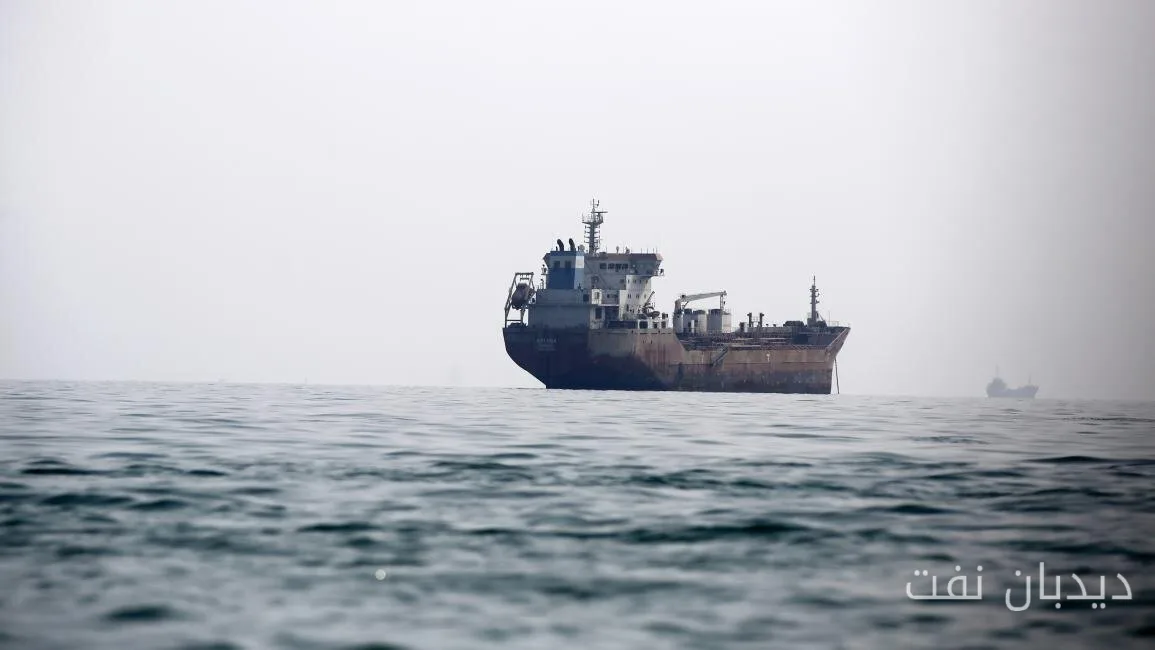
The increase in maritime transport costs and insurance premiums due to the risk of war in the Strait of Hormuz, especially with attacks by Yemeni armed forces on Saudi Arabia's energy facilities, has created a costly situation for shipping. This situation poses a serious threat to the competitive advantage of Gulf oil in global markets.
Increase in Costs and Wages
The salaries of captains of oil tankers passing through the Strait of Hormuz have risen to $100,000 per month, with a $50,000 danger bonus for each trip. The insurance premiums for ships have also reached 7.5 to 10 percent of their value. This increase in costs has coincided with a surge in shipping rents and fuel prices.
Read more: Governor of Bushehr: Development of Smart Equipment to Combat Fuel Smuggling
The income of owners of supertankers from round trips between the Persian Gulf and Asia via the Strait of Hormuz has reached $1.3 million per day, while this figure was about $55,000 in 2025. The cost of transporting each barrel of oil to Asia has also increased to $34.
Impact on the Economies of Gulf Countries
Disruption in maritime routes directly affects the oil export economies of Gulf countries. This is because the costs of oil transportation, from tanker rentals to crew wages and insurance, are continuously rising. For example, the rental cost of a supertanker with a capacity of two million barrels has increased from $25,000 to $50,000 per day to between $1 million and $1.25 million per day.
This situation puts more pressure on oil producers, especially countries that have not developed integrated logistics infrastructure and lack dedicated tanker fleets. Meanwhile, reports indicate that oil exports from Iraq and Kuwait fell by 82 and 81 percent, respectively, at the peak of the closure of the Strait of Hormuz, while exports from Saudi Arabia and the United Arab Emirates decreased by 38 and 40 percent, respectively.
Iraq, in particular, suffers from this infrastructural weakness. The country has no tankers and offers discounts of up to $37 per barrel to attract buyers, which prevents full exploitation of rising global oil prices.
Consequences of the Crisis on the Global Market
The consequences of this crisis extend beyond the economies of Gulf countries and have affected refinery profit margins and inflation rates in oil-importing countries. For example, the profit margin for diesel in Europe has fallen from $100 per barrel in September to $60 in early October.
The rise in oil prices affects the consumer price index and exacerbates inflationary pressures, especially in Europe. These pressures reduce people's purchasing power and limit economic growth.
With the intensification of military threats in the Strait of Hormuz, shipping risks have increased. Economic experts predict that the rental cost of supertankers may reach $130,000, and insurance costs may rise to $20 million. This situation may be exacerbated by Iran's use of naval mines and drones in attacks against ships.
Field events have also heightened concerns, with the sinking of two ships near the Strait of Hormuz, including the "GFS Pride" and "Cape Dawn," intensifying these worries. This crisis may soon lead to agreements among major powers to increase oil production and reduce prices.
Read more: HMM Confirms $1.6 Billion Investment in 12 Container Ships · The Strait of Hormuz and Its Impact on Global Energy Equations



