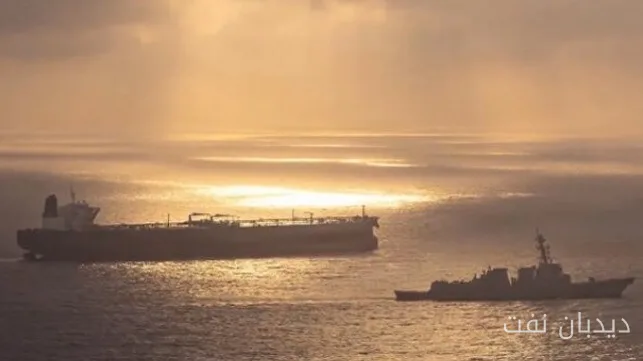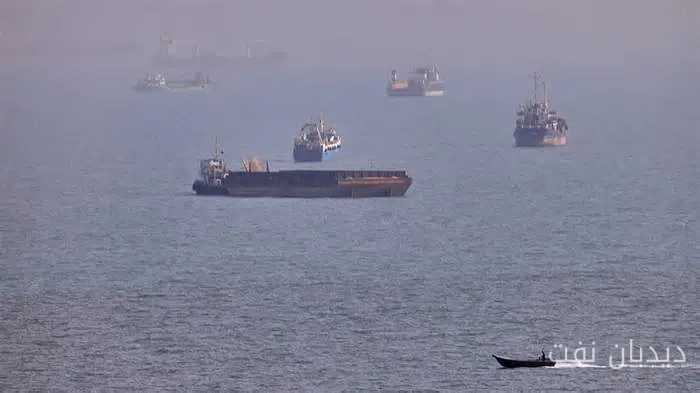
The increase in LNG shipments through the Strait of Hormuz in September 2023, despite the sanctions and ongoing crises in the region, has drawn the attention of energy industry analysts. According to reports, 19 LNG shipments, including 13 from Qatar and six from the UAE, have passed through the Strait of Hormuz this month, which is the highest monthly figure since the war began on February 28.
Traffic Analysis and Passage Capacity
Kepler estimates the number of these shipments to be 21. However, S&P Global Energy warns that even if the current trend continues, the volume of LNG shipments in October may only reach about 25% of pre-war levels. This decline is due to a phenomenon known as "dark passage," which refers to ships turning off their identification transmitters. For example, three LNG carriers that entered the strait in the second half of September after loading in Qatar disappeared from tracking systems for several days and then reappeared near the shores of India.
Read more: About the Return of Premier Alliance Maritime Services to the Suez Canal
High Costs of Passing Through the Strait of Hormuz
Analysts also emphasize that despite the increase in traffic, the financial and security risks of passing through the Strait of Hormuz have significantly increased. According to insurance industry data, the war risk premium for passing through this waterway is now between 6% to 9% of a ship's value. For a large tanker, the insurance cost for a trip can reach about seven million dollars, whereas before the war this figure was only around 100 thousand dollars. U.S. forces have also provided air cover for some ships passing through Hormuz in recent months, but this support is not automatically extended to every shipping company.
Overall, these conditions indicate major changes in shipping patterns and oil exports from Gulf countries. In September 2023, oil exports from the region reached about 16.5 million barrels per day, which is close to pre-war averages. However, about 40% of the region's oil now passes through routes that essentially do not enter the Strait of Hormuz, whereas this share was only 17% before the war. These mechanisms indicate that the energy industry is seeking ways to adapt to wartime conditions, but high traffic does not mean that the Strait of Hormuz is safe.
Read more: Reza Taghipour: The Strait of Hormuz is not just an oil route; internet cables also pass through · Fire on the Gindara tanker in the Philippines sent two sailors to the hospital