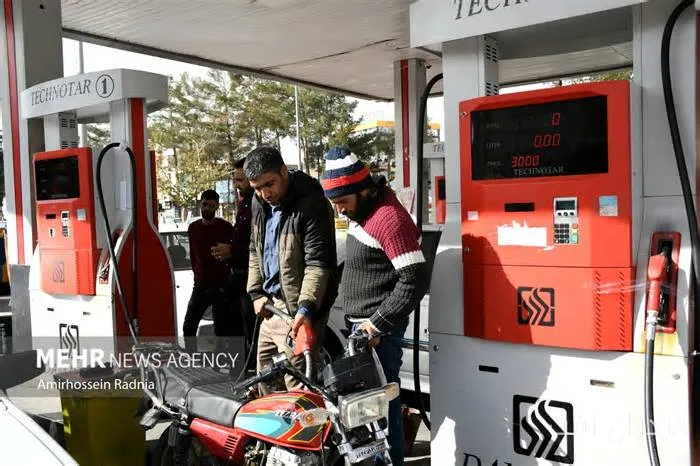
The identification of free cards at fuel stations is a significant step towards regulating the cycle of petroleum product distribution and ending the flow of anonymous refueling. With the stabilization of the three-tier gasoline pricing structure, including a subsidized rate of 1,500 tomans, a second rate of 3,000 tomans for personal cards, and a free rate of 10,000 tomans for emergency cards at stations, the main gap in oversight, namely the potential misuse of free cards due to the anonymity of transactions, has been addressed.
Closing Smuggling Bottlenecks by Identifying Transactions
In recent years, the lack of linkage between the transaction data of free cards at fuel stations and the identity of the consumer has been one of the main channels for fuel leakage to organized smuggling networks, especially in border provinces and high-consumption areas. Fuel brokers have repeatedly exploited the absence of a tracking mechanism in public gas station cards to drain quotas and divert national resources. The identification of free cards has now closed all these loopholes, as every liter of gasoline delivered at the rate of 10,000 tomans is provided solely within the framework of a specific and registered identifier in the smart fuel system.
Read more: Seadrill Signs New Contracts in Indonesia and Malaysia
Energy experts, emphasizing the national necessity of this oversight action, believe that safeguarding the country’s hydrocarbon assets requires data governance and the elimination of blind spots in distribution terminals. Emergency cards at gas stations were initially designed solely for special conditions and cases such as loss or forgetting the vehicle owner's card, but in practice, they had become a tool for circumventing the quota system.
Mandatory Use of Personal Cards: Accountability in Consumption
The second pillar of this structural discipline is the absolute obligation for all drivers to use their personal fuel cards to receive gasoline. According to the issued regulations, citizens are required to exclusively use their dedicated vehicle cards for daily travels and to benefit from the subsidized rates of the first and second tiers, considering the identified cards at stations only in cases of genuine emergencies. Relying on personal cards not only guarantees the legal rights of vehicle owners in utilizing low-cost quotas but also directs household consumption behavior towards discipline and avoidance of unnecessary travels.
Recent years' experience has proven that unrestricted access to station cards significantly reduced vehicle owners' willingness to carry personal cards and manage their quotas. This trend created a kind of indifference towards the actual gasoline consumption levels in society and exacerbated the imbalance between production and consumption on a national scale. Today, with the firm requirement for the use of personal cards and the identification of emergency cards, every driver has oversight over their consumption pattern, and excessive fuel consumption in urban areas is reduced.
Ultimately, the identification of free cards at fuel stations, alongside the requirement to use personal fuel cards, is considered a smart and effective measure to block smuggling bottlenecks, monitor actual consumption, and establish equity in access to the country's energy resources. This approach has established transparency throughout the supply channels and ensures the sustainability of the fuel distribution network in the long term.
Read more: Surge in Transportation Costs Disrupts U.S. Oil Exports · 26,000 Liters of Smuggled Fuel Discovered in Aligudarz