HD Hyundai and defense company Anduril conducted the first test of autonomous ship technology in the waters of the United States. This test, which was held as a demonstration for the U.S. Navy, was based on a two-year collaboration between the two companies to combine expertise in shipbuilding and artificial intelligence and autonomous technology.
Test Details in California
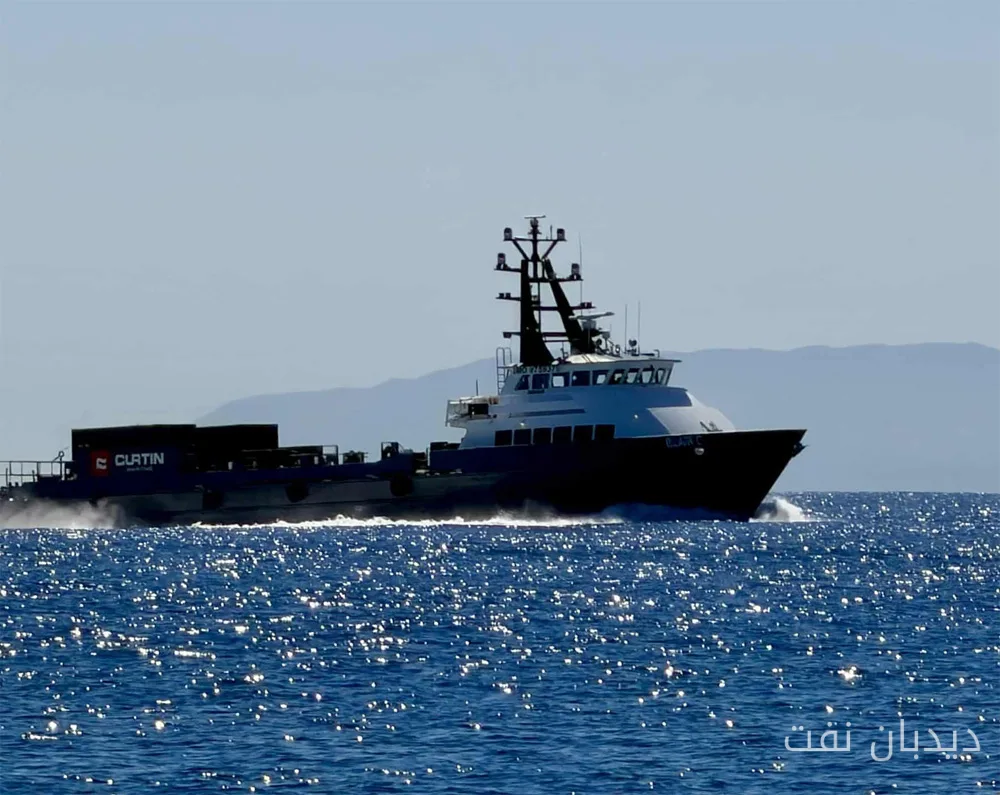
The test took place near Long Beach, California, and involved a 368-ton support vessel that previously operated under the U.S. Navy. The test lasted approximately 3.5 hours and included representatives from the U.S. Navy, ABS (American Bureau of Shipping), the South Korean Navy, and South Korea's defense program management.
Read more: China Conducted Its First Commercial Shipment of Green Ammonia from Ship to Ship
Features of Autonomous Ship Technology
The test vessel was equipped with an autonomous navigation platform called VAOne, developed by HD Kosea Shipbuilding & Offshore Engineering, and connected to Anduril's Lattice software platform. The company has stated that Lattice provides functionalities such as integration of AI sensors, mission autonomy, distributed network management, and command and control for robotic systems.
According to a statement released by the companies, the test demonstrated the ability of autonomous navigation, mission changes, coordinated operations involving multiple ships, and responses to emergency conditions during system failures. Shore-based control stations monitored the operations live.
Chang Kwang-pil, Senior Executive Vice President of HD Korea Shipbuilding & Offshore Engineering, highlighted the significance of this test in a statement, saying: "This demonstration was meaningful because it confirmed the ability of the unmanned ship to carry out complex missions and respond to real-world scenarios that may occur after deployment."
HD Hyundai and Anduril began their collaboration two years ago to focus on military autonomous systems and weapons. Anduril, founded in 2017 by a group of technology entrepreneurs, has attracted the attention of the Trump administration due to its integration of AI into its platform. The company announced a major contract with the Pentagon last week and is planning to establish a new factory in Baltimore to develop components for the nuclear submarine program.
Read more: USS John F. Kennedy Conducted Its First Landing and Flight of the F-35 · ABS Issued Principle Approval for Samsung's Natural Gas Liquefaction System