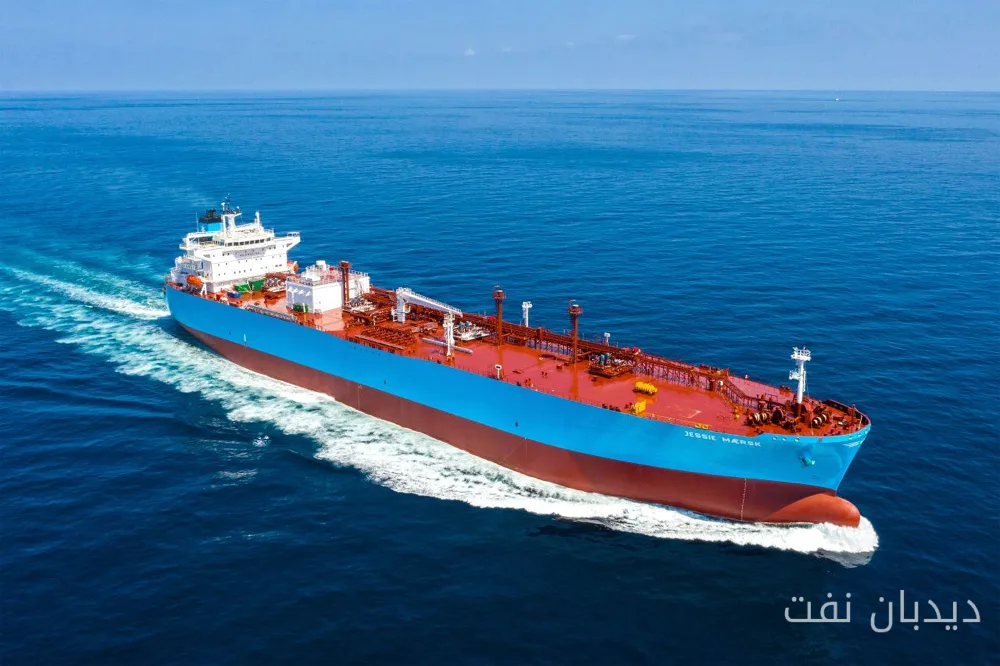
The use of ethanol as a fuel source in the maritime transport industry is expanding. This shift is due to ongoing efforts to reduce greenhouse gas emissions and technological advancements in fuels. Given the increasing demand for sustainable solutions, ethanol has become an attractive option for cargo owners and engine manufacturers.
Reasons for Increased Interest in Ethanol
The rising demand for sustainable fuels and the reduction of negative environmental impacts are the main factors driving increased interest in ethanol in the maritime transport industry. Studies show that cargo owners, engine manufacturers, and other industry stakeholders are increasingly seeking new and sustainable fuel sources. These changes not only help improve economic performance but also reduce dependence on fossil fuels.
Read more: Digitalization Challenges in the Maritime Industry According to Dr. Shahreen Osman
New Projects and Technological Approaches
The development of ethanol-related technologies and new projects in shipbuilding is particularly advancing. These projects include the design and construction of new ships capable of using ethanol as a primary fuel. Therefore, ethanol is considered a viable and sustainable option for the future of the maritime transport industry.
Additionally, factors such as fuel availability, environmental regulations, and economic aspects also influence the adoption of ethanol. Considering these aspects, it is expected that the use of ethanol will significantly increase in the near future. Ultimately, this trend could lead to a substantial reduction in greenhouse gas emissions and help the maritime transport industry move towards a more sustainable future.
Read more: The Entry of the Cable-Laying Ship OCEANUS 1 into Service in Taiwan · Oil Tanker with Oil Cargo Accident in Kach Bay