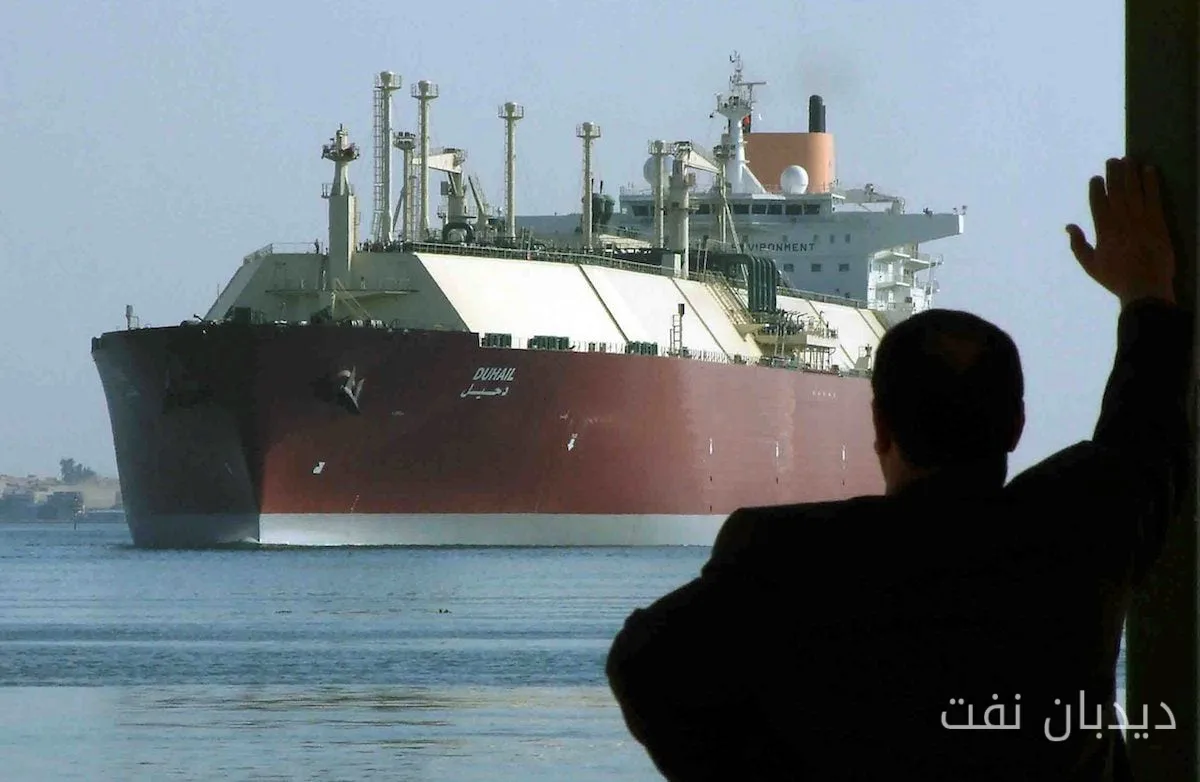
Golar LNG has purchased an LNG tanker named Grace Dahlia, built in 2013, from the Japanese company NYK Line. This tanker is intended to be converted into the company's fourth FLNG (Floating Liquefied Natural Gas) unit and is part of Golar's $2.45 billion expansion plan.
Details of Purchase and Conversion
The Grace Dahlia tanker, with a capacity of 177,427 cubic meters, will be converted into the MKII FLNG unit, which was ordered from CIMC Raffles in China last August. This purchase allows Golar to increase its LNG storage capacity by about 20 percent more than the FLNG Esperanza unit, which is currently being converted.
Delivery Schedule and Employment
The conversion of Grace Dahlia will take place alongside FLNG Esperanza, with the delivery of the fourth FLNG unit scheduled for the end of 2029. Golar has introduced this unit as the earliest new FLNG capacity globally and is in advanced discussions for its long-term employment.
The Grace Dahlia tanker, built by Kawasaki Heavy Industries in Sakaide, is a Moss-type tanker with four spherical tanks and a capacity of 177,427 cubic meters. This vessel is equipped with a developed hot steam propulsion system. Last August, Golar made the final investment decision for the fourth FLNG unit and signed a contract with CIMC Raffles worth approximately $2.45 billion.
The repetitive MKII design follows FLNG Esperanza, which is being constructed from a previous LNG tanker named Fuji LNG with a capacity of 148,500 cubic meters. The conversion of Esperanza is planned for completion in late 2027, after which it will go to Argentina for a 20-year lease with Southern Energy.
Golar currently has two FLNG units that are either operational or committed to long-term work. The Gimi unit has a 20-year contract with BP in the development of Greater Tortue Ahmeyim off the coasts of Mauritania and Senegal, while Hilli has gone to Singapore for upgrades and will begin operations in Argentina next year.
This fourth unit will increase Golar's liquefaction capacity to over 12 million tons per year, which is about 40 percent more than before the last expansion. Golar is increasingly focused on floating liquefaction and has sold its last conventional LNG tanker in 2025 after five decades of operation in LNG transportation.
Read more: DryDel Shipping Adds Two New Tankers to Its Construction Program in Japan