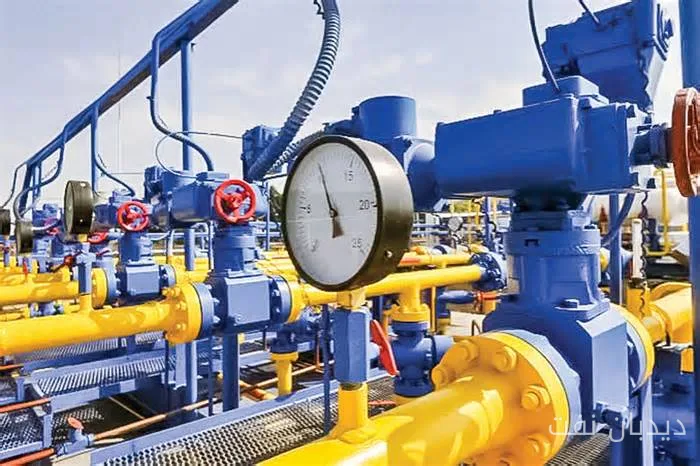
Gas imbalance management will face serious challenges this winter. This issue becomes even more significant given the anticipated gas shortages during the cold months. The question arises as to how this shortage can be managed and the costs distributed among different sectors of the economy.
Complexity of the Gas Imbalance Issue
In recent years, gas imbalance has been recognized as a structural issue in Iran's energy economy. Temporarily restricting industries during the cold months may reduce pressure on the gas network, but this solution alone cannot resolve the issue. Gas serves different functions in various industries, and the cost of restrictions is not the same for all enterprises.
Read more: Iran and Taliban Negotiating for Export of 2,000 Megawatts of Electricity
In some industries, gas is used as fuel, and some units are capable of using alternative fuels. However, in significant sectors of the petrochemical industry, particularly methanol, ammonia, and urea production units, natural gas is used as feedstock. A factory that uses natural gas for production cannot easily replace its feedstock with administrative decisions.
Impact of Restrictions on Industry Planning
Shutting down a petrochemical complex is not like turning off a production line. Reducing feedstock and bringing equipment to safe conditions requires time and cost. Sudden restrictions can cause more disruptions in production compared to pre-announced restrictions. If complexes are informed in advance about feedstock reductions, they can adjust their production, maintenance, and sales commitments; however, sudden announcements of restrictions impose additional costs on enterprises.
This issue also has more serious dimensions in foreign trade. Foreign buyers do not adjust their contracts based on the problems of Iran's gas network. If an Iranian producer cannot ensure the delivery of goods, the buyer may seek another supplier or reduce their purchase volume. In a competitive market, the reliability of the seller is also of high importance.
The Necessity of Planning and Reforms in Energy Consumption
The petrochemical industry must seek to reduce energy intensity and reform production processes. However, these changes require economic calculations and stability in regulations. If we expect industries to reduce their consumption, part of the benefit from this saving should also belong to the enterprises themselves.
In the household sector, energy policies cannot be based solely on recommendations for savings. Essential household consumption must be supported, and there should be a distinction between normal consumption and consumption above the pattern. Upgrading equipment and increasing efficiency are also part of the solutions.
It is not expected that the gas imbalance will be resolved suddenly this winter. Clear and specific planning before peak consumption to determine restrictions, the possibility of using alternative fuels, and timely announcements of restrictions are essential. The goal should be to maintain household heating with minimal damage to production and exports. If every year the response to gas shortages is merely transferring the imbalance burden to industries, this issue will not be resolved.
Read more: Panama Canal Announces New Allocation Plan for Neopanamax and Panamax Locks · Farhad Shahroki Explained About the Organization for Optimization and Strategic Energy Management