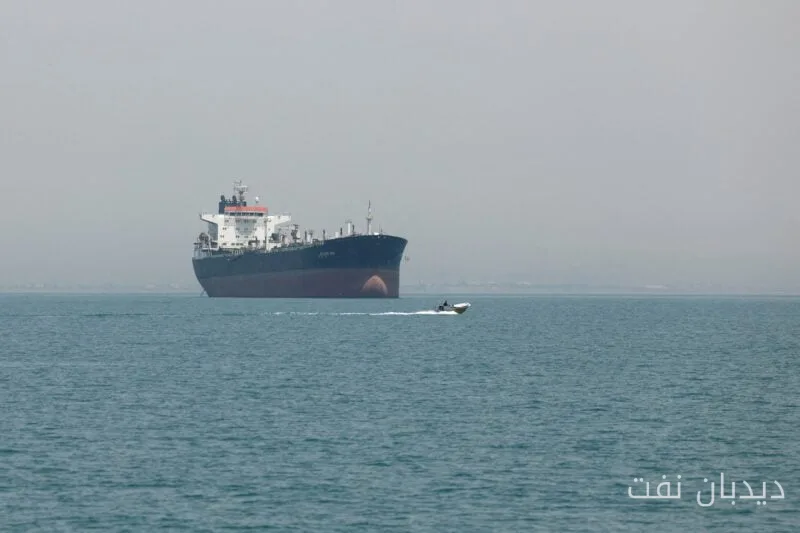
Shipowners are facing a highly fragmented fuel market due to recent tensions in the Middle East. These disruptions have raised concerns about fuel availability and quality.
Disruptions in Fueling Operations
Ships can no longer always refuel at familiar ports, as they are forced to take longer routes around Africa and divert towards the Atlantic Basin to avoid escalating conflicts near the Strait of Hormuz and the Red Sea. This situation has led to other locations being recognized as fueling centers, and fuel prices have increased.
Frederik Goutormsen, Head of Asia and the Pacific at Stolt-Nielsen Ltd., which operates 167 tankers, stated: "No one can consider refueling as a routine and last-minute decision. We are now securing fuel earlier than ever and are tracking availability and delivery times at key ports, as the risk is now as dependent on timely supply as it is on price."
Increased Demand at New Ports
The flow of oil from the Middle East has come under renewed pressure due to recent attacks in the region, including attacks on ships passing through the Strait of Hormuz. Goutormsen emphasized that these disruptions have led to increased prices for oil and port fuels. He made these comments on the sidelines of a shipping conference in Singapore.
Singapore, as the largest ship refueling hub in the world, continues to grow, while ships are increasingly avoiding Fujairah on the eastern coast of the United Arab Emirates, located south of the Strait of Hormuz. Other locations that have shown higher demand for refueling since the U.S.-Iran war include Port Louis in Mauritius, South Africa, West Africa, Brazil, Sri Lanka, and Pakistan.
Refueling at less familiar ports can expose shipowners to less reputable vendors and wider price discrepancies between locations. These differences can arise from factors such as fuel supply, access to quality feedstock, and the availability of necessary support services to ensure quality and compliance with standards.
Kenneth Dam, CEO and Global Head of Fueling at TFG Marine, one of the major ship fuel suppliers, said: "In this market, supply needs more structuring." Ships are also increasingly refueling more frequently and with smaller volumes at each stop to avoid locking into a large amount of fuel at a specific price and port.
Disruptions are also increasing, leading to the diversion of ships and the transfer of fuel demand to other locations. Peter Grunwald, Head of Fueling at Hafnia Ltd. and Co-CEO of Seascale Energy, stated: "We ensure that fuel is available at these ports."
Read more: The new Matson tanker shipment was launched in Philadelphia · Report: Biodiesel prices in the maritime market have reached their lowest



