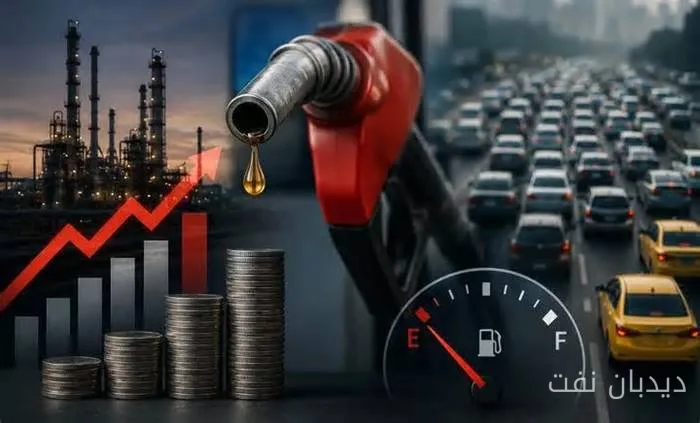
Fuel imbalance management in Iran has become one of the vital issues due to multiple challenges in the energy sector. These challenges are not limited to the discrepancy between gasoline production and consumption, but are intertwined with issues such as rising subsidy costs, increasing consumption, aging transportation fleets, and infrastructural limitations in public transport and alternative fuels.
Need for Structural Policies
Mohammad Sadegh Mehrjou, a senior energy expert, emphasizes that solving this issue requires moving beyond temporary solutions and towards a set of structural policies. According to him, these policies should start with management and reduction of consumption and continue with fleet modernization, development of alternative fuels, and reforming the energy subsidy distribution system.
Gasoline consumption in Iran is affected by seasonal conditions. Mehrjou pointed out the increase in gasoline consumption in the month of Mehr due to the reopening of schools and universities and the increased use of personal and public vehicles, noting that typically after the end of summer and the peak demand months, gasoline consumption decreases. This reduction can alleviate some of the pressure from the imbalance.
Challenges of Fuel Subsidy Distribution
Mehrjou further emphasized that reliance on imports cannot be the main solution for managing the imbalance and that more focus should be placed on managing domestic consumption. He also pointed to the challenges of fuel subsidy distribution, stating: "Individuals with more vehicles also benefit from more subsidies, and this mechanism is not compatible with the principles of equity in the distribution of public resources." According to Mehrjou, reforming the current mechanism and moving towards methods that deliver subsidies more directly to citizens could be considered in the long term.
He also mentioned the need for cultural change to reduce unnecessary travel and encourage households to use personal vehicles more efficiently. In his view, pricing policies can succeed only when the necessary infrastructure is also in place.
Modernizing the Transportation Fleet
Mehrjou identified one of the main obstacles to fuel consumption management as the aging transportation fleet, stating: "There are about 6 to 7 million motorcycles and over 22 million passenger cars in the country, some of which are over 15 years old. The use of outdated technologies means higher fuel consumption." He referred to the condition of trucks and freight vehicles in the country, noting that the average age of some road transport fleets is very high, with heavy vehicles over 30 and 40 years old still active in the country's transport cycle.
Regarding the fuel supply situation in the cold season, Mehrjou said: "The main pressure in winter will be more concentrated on the power and industrial sectors. With increased gas consumption in the residential sector, power plants will have to rely more on liquid fuels, including diesel, to meet the country's energy needs." This energy expert emphasized that modernizing the transportation fleet could create opportunities for increasing diesel exports, and any disruption in refinery operations could complicate the supply of petroleum products.