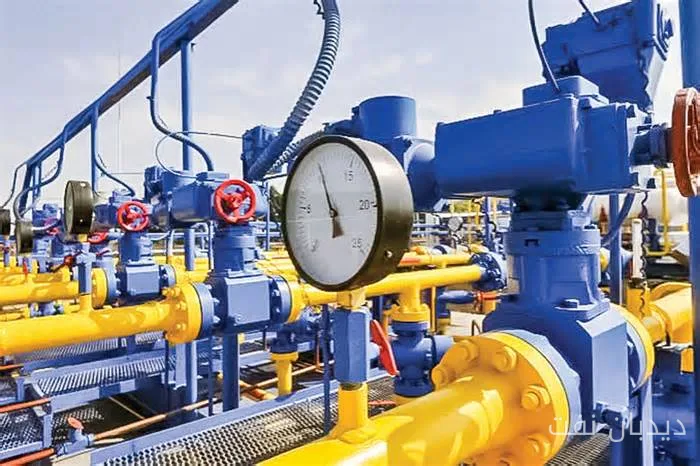
Farshad Ebrahimpour, a member of the Islamic Consultative Assembly's Board of Directors, emphasized the necessity of focusing on energy and water sector projects in the tax earmarking plan. He stated that under current conditions, establishing fundamental infrastructure in these areas is crucial.
Targeted Use of Public Resources
Ebrahimpour further pointed out the limitations of resources for implementing infrastructure projects and supporting the production sector, stressing the importance of precise and targeted use of existing capacities. The tax earmarking plan can establish a more direct connection between tax resources and selected projects.
He said: "Tax is not just a source of income for the government; it can also become a tool for developing infrastructure and supporting the country's economic priorities." Ebrahimpour added that when tax resources are allocated to specific projects, taxpayers can see the results of their tax payments.
Impact of Public Participation
Ebrahimpour also referred to the positive impacts of public participation in determining where part of the tax is spent. He stated that this participation can strengthen people's perception of the tax system. When individuals see the effect of their tax payments on a specific project, they will have a better understanding of the role of taxes in the country's development.
He emphasized that for the success of this plan, transparency and reporting must be taken seriously, stressing the need to provide clear information about the results of projects. Ebrahimpour added: "It should be clear how much funding each project has received, at what stage it is, and how much progress has been made."
Allocation of Funding to Projects
According to Ebrahimpour, this year, 5.4 trillion tomans have been allocated for 359 projects in the water and energy sectors. He stated that in some regions of the country, there are water tensions and imbalances in the energy sector, and every rial directed from people's taxes can help alleviate some of these problems.
In conclusion, Ebrahimpour emphasized the importance of prioritizing projects, saying: "Resources should be directed towards projects that meet public needs and can compensate for the created deficiencies."