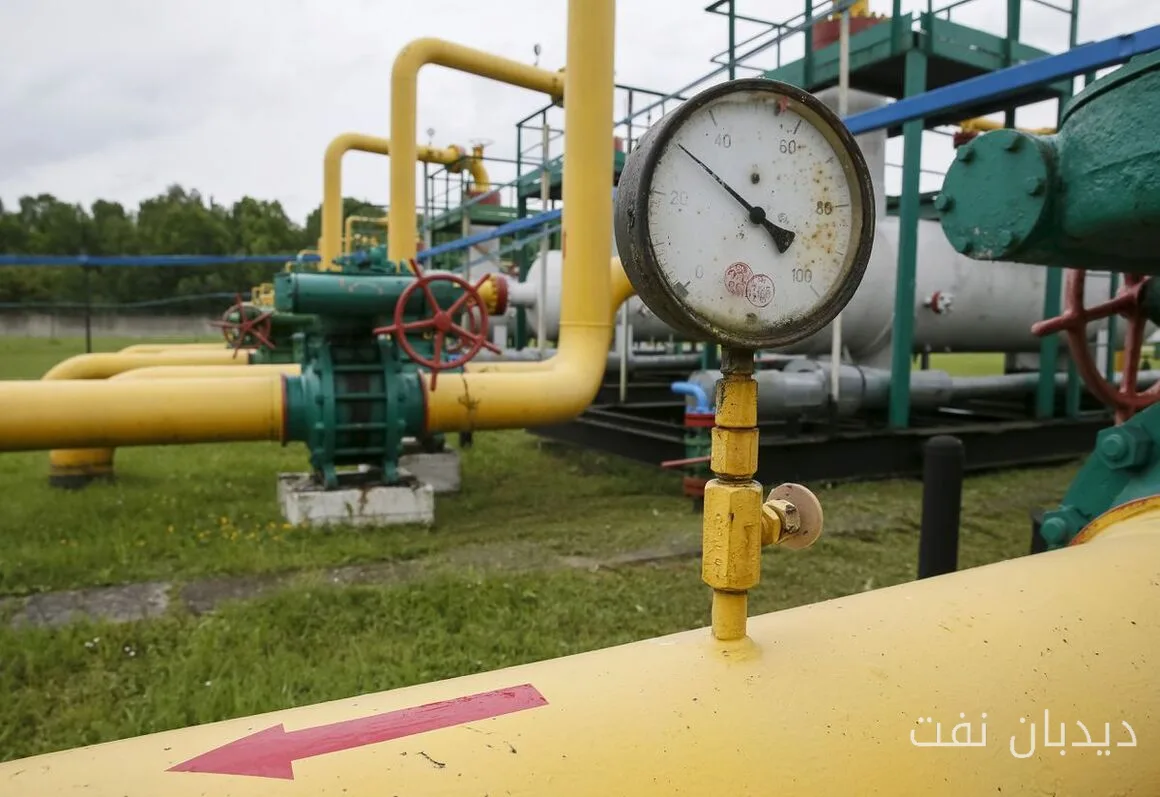
Europe is in a situation where it is facing rising gas prices and serious challenges in storing this energy source. Analysts predict that even if the conflicts in the Middle East end and despite a mild winter, families and industries on the continent will face high gas prices for at least another year.
Rising Prices and Gas Supply Challenges
Benchmark gas prices in Europe have increased by more than 150 percent this year. This increase has occurred due to disruptions in transit through the Strait of Hormuz and the halt of about 20 percent of global liquefied natural gas (LNG) exports from Qatar and the United Arab Emirates. Although some countries like the United States, Canada, and Nigeria have increased their exports, the shortage of LNG from the Middle East and increasing competition for spot markets have disrupted efforts to refill storage tanks during the summer.
Gas Storage and Dependence on Imports
Analysts and industry forecasters expect that Europe's gas storage volume will reach 75 to 78 percent by November 1 (November 11). This amount is 10 percent lower than the five-year average and has started from a lower level. Yuri Onishchik, an analyst at the London Stock Exchange Group (LSEG), emphasized that even with mild weather conditions, storage levels in Northwestern Europe will decrease to about 20 percent by early April.
Mohammed Al-Talabi, a senior energy economist at ABN Amro, pointed out that any disruption in supply could lead to price increases, and the ongoing competition from Asian customers for LNG cargoes will keep prices elevated. For this reason, EU countries are heavily dependent on supply through pipelines and LNG, especially from Norway and the United States.
According to ABN Amro, in the event of severe cold weather in winter, Europe's storage volumes could decrease by 10 to 15 percent, and this situation will be "very critical and challenging" for the upcoming season of refilling storage.
This situation is reminiscent of the energy crisis in 2022, when the halt of gas flow from Russia through pipelines due to the Moscow-Kyiv conflict pushed European benchmark prices above 350 euros per megawatt-hour. Although most energy analysts do not foresee a return to such high levels, a sharp increase in prices above 100 euros per megawatt-hour seems likely.
The Cornwall Insight consultancy predicts that the cap on household energy bills in the UK will increase by another 16 percent in January. In this regard, Craig Lowry, a senior consultant at the institute, expressed concern that there is still no end in sight for price fluctuations, and the consequences of the war against Iran may accompany Europe for months to come.
Read more: IndiGo Flights to Riyadh and Dammam Canceled Until October 15 · Pressure of Oil and Gas Prices on the Global Economy Ahead of Winter



