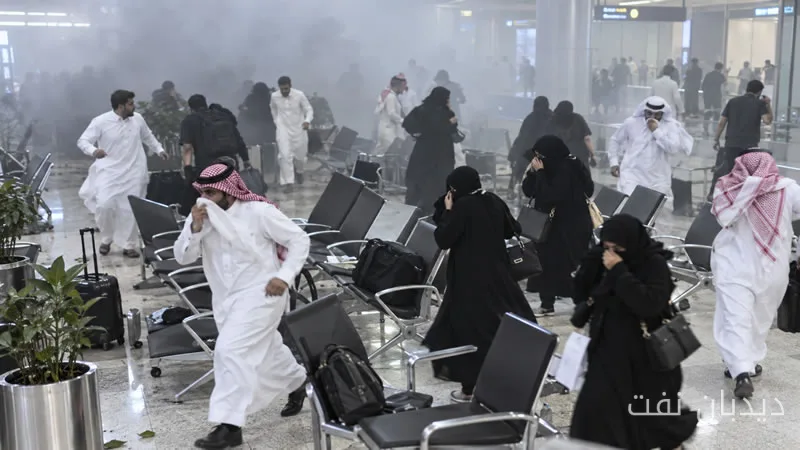
The escalation of military conflicts between Saudi Arabia and the forces of the Sana'a government has confronted the Middle East with new crises. Missile attacks on Riyadh and Aden airports and bombings in northern Yemen are among the recent developments. At the same time, Iran has reiterated its proposal to reopen the Strait of Hormuz if its conditions are accepted by the United States.
Iran's Proposal to Reopen the Strait of Hormuz
Abbas Araghchi, Iran's Foreign Minister, announced on October 18 that Tehran's proposal to reopen the Strait of Hormuz is still on the table. This proposal was made following the collapse of a temporary ceasefire in September, and according to Araghchi, Iran is currently reviewing the U.S. response to this proposal. The disputes between the two countries revolve around conditions such as lifting the blockade on Iranian ports, canceling oil export sanctions, and halting conflicts on various fronts in the region.
Escalation of the Yemen and Saudi War
On Sunday, an airstrike on the Sahar area in Saada province in northern Yemen resulted in the deaths of at least 9 people, including five children and two women. The Ministry of Health of the Sana'a government has held Saudi Arabia responsible for this attack. These attacks occur as both sides have recently conducted reciprocal attacks against each other's military positions and infrastructure facilities.
The missile and drone attacks by the Sana'a government forces on Saudi Arabia, particularly Riyadh International Airport and the country's oil facilities, have added new dimensions to the war. Recent attacks on Riyadh airport have resulted in human casualties and caused widespread disruption to flights. Additionally, the headquarters of the oil company Aramco has been targeted, and this increase in attacks has jeopardized Saudi Arabia's economic security.
Military Rivalries and Economic Consequences
As the fighting continues, Egypt has also announced its readiness to support Saudi Arabia. Abdel Fattah el-Sisi, the President of Egypt, emphasized Cairo's preparedness to defend the security and stability of Saudi Arabia following a National Defense Council meeting. Meanwhile, the Saudi-led coalition has reported intercepting a ballistic missile aimed at the port city of Yanbu, which is of special importance for Saudi oil exports.
The escalation of the war in Yemen has had noticeable economic consequences. Brent crude oil prices reached about $110 per barrel at the end of Friday's trading, the highest level since May. With the possibility of disruption in oil exports and the security of maritime routes, regional markets have also been affected by these tensions. The Qatari stock market has declined, and the Egyptian stock market is under pressure, while the rise in oil prices has boosted Aramco's shares and the Saudi stock index.
Ultimately, the ongoing deadlock between Tehran and Washington, the escalation of the Yemen and Saudi war, reciprocal attacks on airports and oil facilities, and the potential for broader participation from regional countries have added complexity to efforts to end the war. The humanitarian situation in Yemen has also severely deteriorated, with millions dependent on humanitarian aid. Developments in the two vital waterways of Hormuz and Bab-el-Mandeb, alongside the fate of negotiations between Iran and the U.S., are considered determining factors in the regional crisis process.
Read more: Seizure of 5 fishing vessels carrying smuggled fuel in Sistan and Baluchestan



