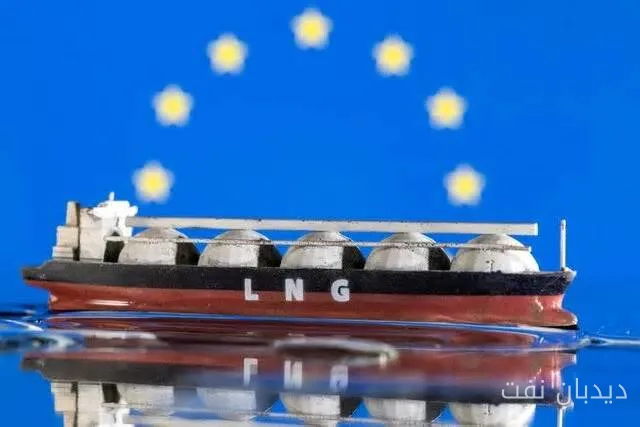
Natural gas prices in Europe have significantly increased following disruptions in LNG shipments from the Middle East, especially the Strait of Hormuz. This situation has arisen particularly after the military attack by the United States and the Israeli regime on Iran and the blockage of part of the global LNG supply. This crisis has not only affected energy prices but has also raised concerns about energy supply for the upcoming winter season.
Disruption in LNG Supply
Since early March, the European gas market has faced a severe reduction in LNG shipments. Investigations show that part of the LNG supply from Qatar has been suspended, and the timeline for returning to normal is uncertain. In recent weeks, several shipments from Qatar and the UAE have reached the Strait of Hormuz, but the volume of these shipments is not sufficient to restore the balance of global LNG supply. Accordingly, gas prices for September in Asia and Europe have reached their highest levels since the energy crisis of 2022 to 2023.
Read more: Panama Government Reduces Transit Restrictions in the Panama Canal
Economic and Inflationary Consequences
The rise in gas, gasoline, and diesel prices in recent months has had serious impacts on inflation. The European Central Bank has raised key interest rates twice since June and is anticipating further increases. However, the bank's governing council has stated that due to existing uncertainties, there is no commitment to follow a specific interest rate path. According to data from "Gas Infrastructure Europe," gas storage facilities in the European Union were filled to 71% capacity as of September 28, which represents a 15% decrease compared to the five-year average.
The state-owned company "Qatar Energy" has extended the "force majeure" status for LNG deliveries until the end of November. This situation will also harm gas buyers such as the Italian company "Edison," as 35 shipments from this company's long-term contracts with Qatar have yet to reach Italy. Nevertheless, German officials, such as VNG, have stated that Germany is not facing a gas supply shortage. However, diversifying energy supply sources due to the crisis in Hormuz incurs higher costs.
Economists at the European Central Bank have warned that the increase in wholesale natural gas prices will quickly translate to retail prices and electricity inflation rates in the Eurozone. Dan Jørgensen, the European Energy Commissioner, has urged EU governments to take measures to limit energy and gas demand. The European Commission has also described the gas supply situation in the Union as stable despite the decrease in storage levels.
Read more: Minister of Energy: Overcoming Winter Energy Supply Challenges Requires Public Cooperation · Increase in European Gas Prices to €73.62 Following the Hormuz Crisis