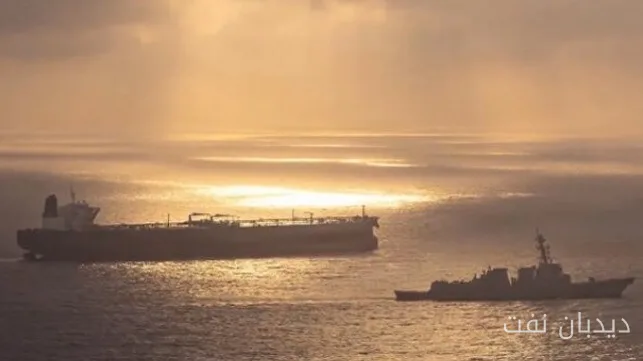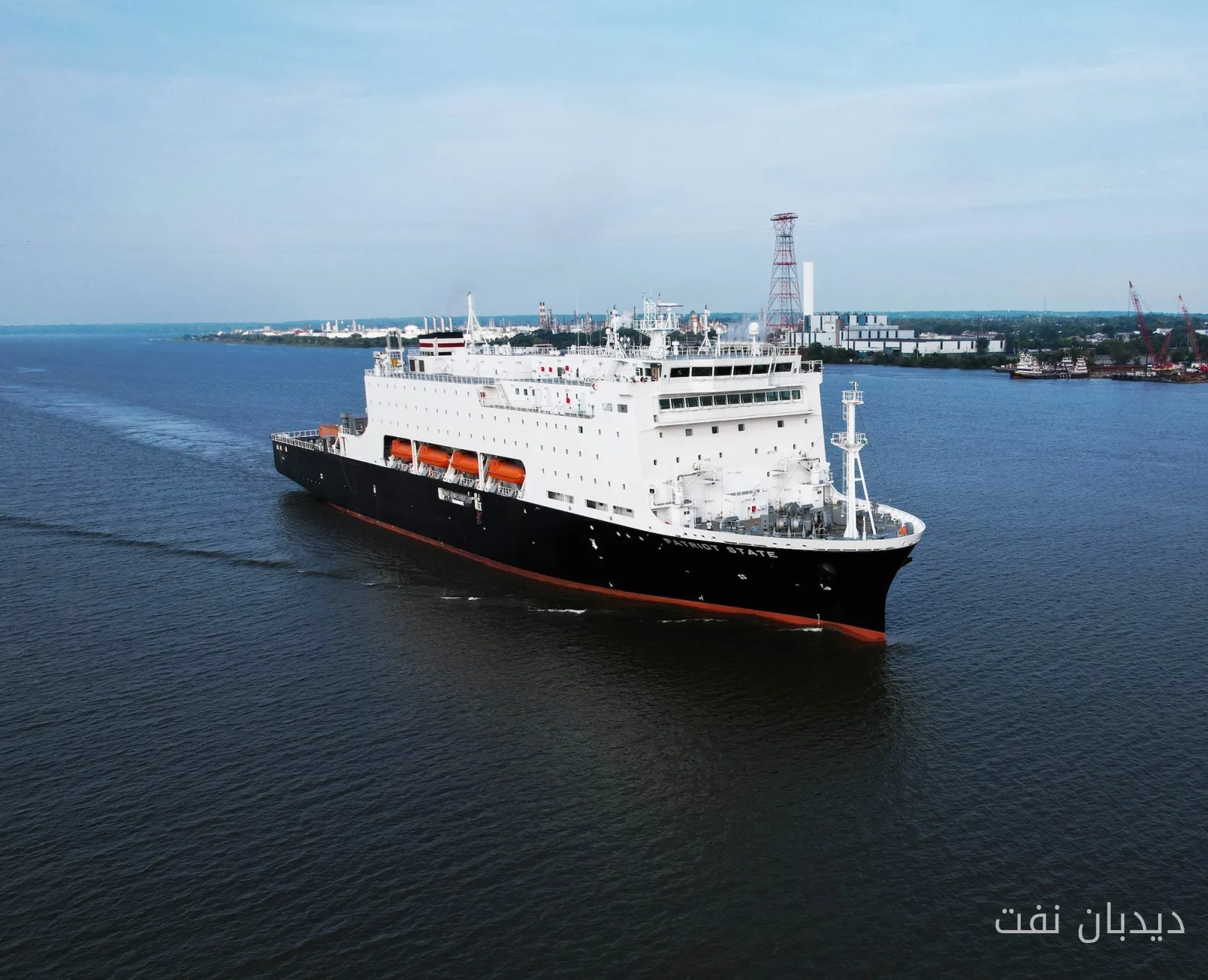
The Islamic Republic of Iran is finalizing a plan to organize traffic in the Strait of Hormuz to enable legal control over the passage of vessels. This plan is being pursued in response to the hostile actions of the United States and its allies.
The Necessity of Legal Traffic Management in the Strait of Hormuz
According to this plan, all vessels intending to pass through the Strait of Hormuz will be required to obtain permission and coordination from the Navy of the Islamic Revolutionary Guard Corps. Turning off radars to remain hidden from maritime surveillance systems cannot be considered a legal behavior in any way. This action is in line with establishing a legal mechanism for managing traffic in this area.
The Strait of Hormuz, as a strategic passage, holds significant importance in global equations, and the Islamic Republic of Iran has previously had the capability to implement such mechanisms. However, it has always refrained from exerting pressure on other countries. Now, given the circumstances arising from U.S. actions, the necessity of controlling traffic in this region has increased.
Iran's Response to Hostile U.S. Actions
The issue of the attack on Iran and the martyrdom of several people from the islands during a wedding ceremony is among the factors that have shaped the current situation. In this regard, it is not expected that U.S. hostile actions will go unanswered. The enemy's efforts to replace the routes favored by Iran in the Strait of Hormuz are not very effective, and Iran is seeking to maintain its sovereignty in this region.
Donald Trump's repeated statements about the Strait of Hormuz being open do not seem to have practical value and are merely seen as a tool to deceive public opinion and influence markets. Meanwhile, the economic and social realities in the United States indicate his failed attempts to control the situation.
Ultimately, the Islamic Republic of Iran is responding to aggressive actions using various levers, including controlling the Strait of Hormuz. The Strait of Hormuz is not just a geographical passage but a matter related to national sovereignty and regional security. The drafting of specific laws for managing maritime traffic, as a manifestation of Iran's authority in this region, is a response to the conditions shaped by U.S. hostile actions.