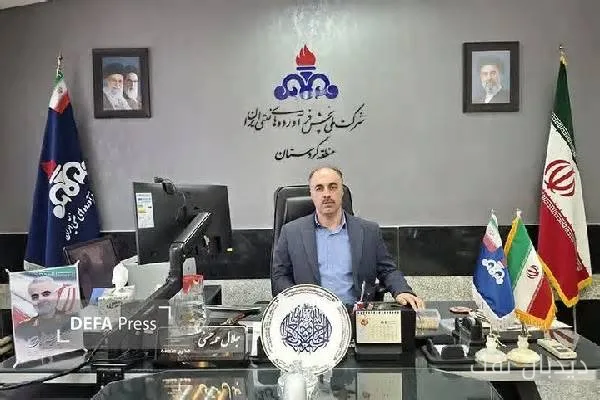
Jalal Hamahosaini, the manager of the National Iranian Oil Products Distribution Company in the Kurdistan region, reported the discovery and seizure of over 2,600 unauthorized fuel cards from fuel dispensing stations in Kurdistan province. This action was taken to prevent smuggling and to organize the distribution of oil products.
Details of the Discovery of Unauthorized Fuel Cards
Hamahosaini stated that inspectors from this company, during periodic and unannounced visits to fuel dispensing stations, succeeded in discovering this number of unauthorized fuel cards. He emphasized that these inspections are aimed at preventing the exploitation of opportunistic individuals and organizing services for fellow citizens.
Read more: Seizure of a 1,000-ton Marble Shipment in Bandar Lengeh
Number of Inspections and Control Measures
The manager of the National Iranian Oil Products Distribution Company in the Kurdistan region also referred to the number of inspections conducted in the first six months of the current year, stating: "More than 3,540 inspections of fuel dispensing outlets in the province have been carried out, leading to the discovery and seizure of unauthorized fuel cards." This official noted that continuous inspections of dispensing stations, especially in border areas, are being conducted, and all fuel outlets in the region have emergency cards to provide services to those in need.
Legal and Supervisory Consequences
Hamahosaini indicated that most of the discovered fuel cards were related to personal vehicles, migrant fuel cards, and public vehicles (taxis). After these cards were blocked and the amount of illegal distribution was determined, the matter was referred for legal action and addressed to the company's violations committee and relevant authorities. These actions demonstrate the serious commitment of this company to combat the smuggling of oil products and to oversee fuel distribution in the province.
Read more: Discovery of 2,600 Unauthorized Fuel Cards in Kurdistan by Jalal Hamahosaini · Facilitation of the Passage of 22 Million Barrels of Oil Through the Strait of Hormuz Amid Sanctions