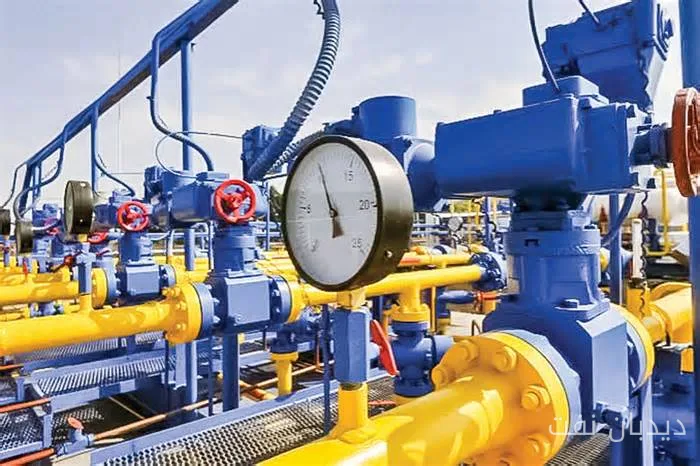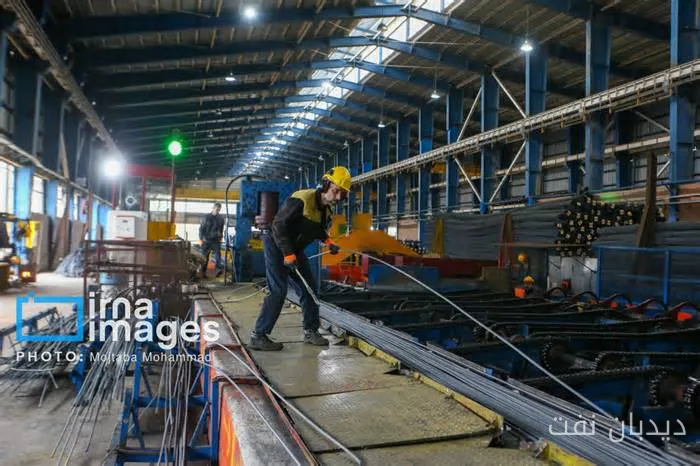
The Director General of the Office for Monitoring Compliance Evaluation of Services, Energy, and New Technologies of the National Standard Organization of Iran announced that approximately three thousand industrial units are inspected annually regarding energy consumption. These inspections are conducted to ensure compliance with mandatory standards in energy consumption, aiming to reduce energy waste and optimize consumption in the country's industries.
Importance of Energy Inspections
Given the limitations of energy resources and the rising energy costs globally, inspections of industrial units are recognized as a necessary measure. These inspections not only help reduce energy consumption but also lead to improved economic performance of industrial units. According to available information, these inspections include the evaluation of energy-consuming devices and equipment that directly impact the performance of the units.
Read more: IFM Investment Management Acquires Majority Stake in the Operator of the Largest Port in Britain
Inspection Criteria and Standards
The inspection criteria are developed based on national and international standards and include the evaluation of energy efficiency, compliance with safety and health regulations, and the use of new technologies. The Director General of the Office for Monitoring Compliance Evaluation of Services, Energy, and New Technologies emphasized that inspections are conducted periodically and at specified times, and units that fail to comply with the standards may face financial penalties or even temporary closure.
These measures are considered part of the government's comprehensive programs for optimizing energy consumption and reducing dependence on fossil resources. Given the growing trend of climate change and international pressures, optimizing energy consumption has become one of the main priorities for policymakers.
Read more: Danaos Corporation Orders Two New Container Ships Worth $218 Million in China · Energy Consumption Management Task Force Established in North Khorasan