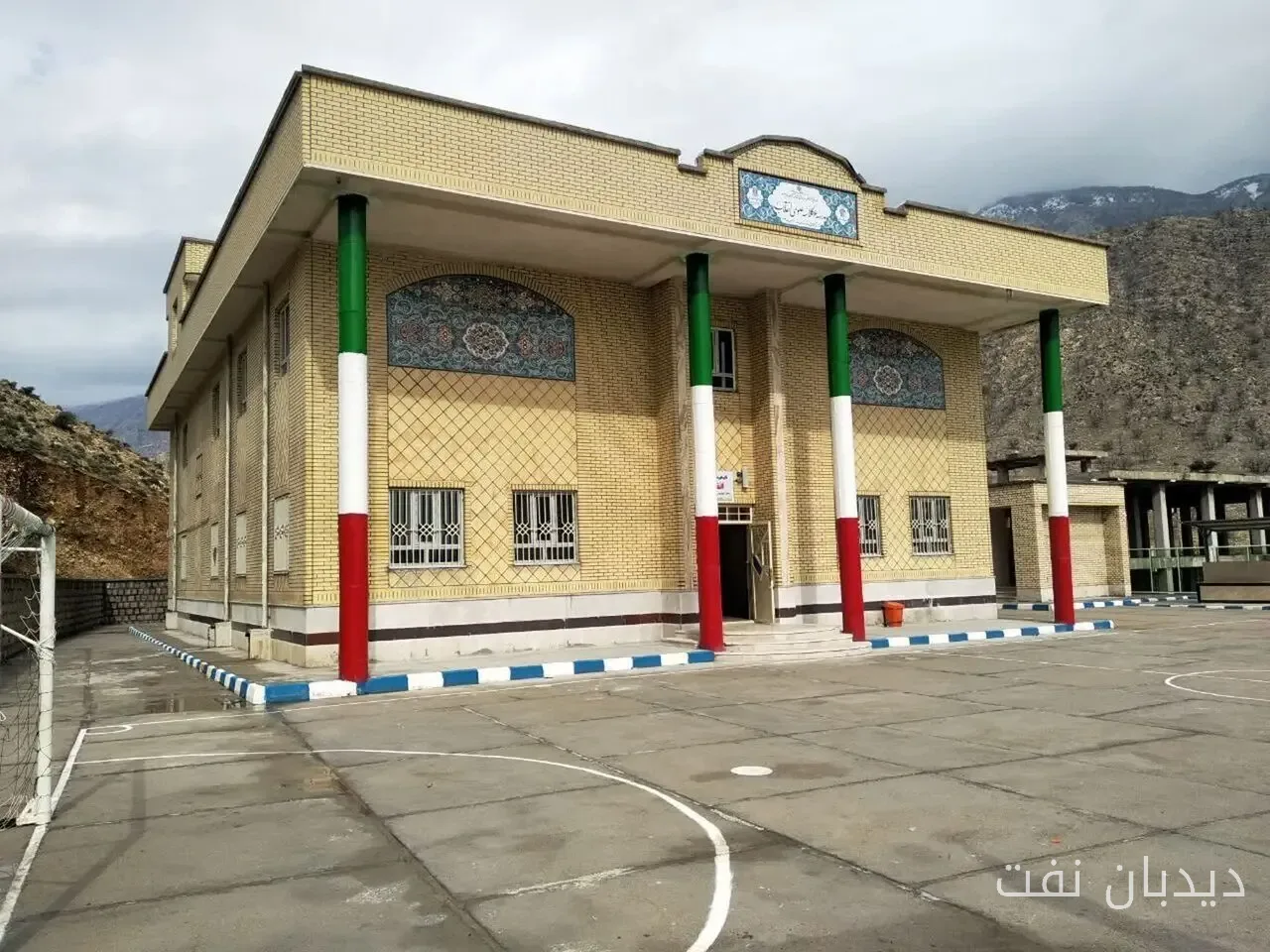
The Ministry of Education, by delegating the authority to close schools to various regions, aims to optimize the educational time of students. Rezvan Hakimzadeh, the Deputy Minister of Primary Education, highlighted the importance of preserving educational time and the existing challenges in this regard during an interview. She stated that educational time in Iran is significantly less than in many other countries, emphasizing that this issue affects students' learning outcomes.
School Closures and Their Impact on Energy Imbalance
Hakimzadeh mentioned that school closures for various reasons, including air pollution and energy imbalance, are implemented rapidly, and these decisions can harm the educational time and learning of students. She also referred to the experience during the COVID-19 pandemic, stating that Iran was one of the countries with the longest duration of school closures. This severely impacted the education of a generation and necessitates a fundamental reconsideration of policies.
Read more: Ismail Baqai: The cancellation of the Oman meeting was at the request of Saudi Arabia
Better Management of School Closures
The Deputy Minister of Primary Education further stated that this ministry is recognized as the decision-making authority regarding school closures and can make more appropriate decisions based on the conditions of each region. Instead of nationwide closures, decisions can be made considering the specific circumstances of each area. This approach can create opportunities to compensate for and increase the educational days of students.
Hakimzadeh also referred to a report from the Educational Studies Research Institute that examined the impact of school closures on energy imbalance. The results of this study indicate that school closures do not significantly reduce energy imbalance, thus highlighting the need for more careful consideration in such decisions. She emphasized that in many countries, even under worse conditions than those in Iran, schools continue to operate.
Finally, Hakimzadeh stressed the necessity of cultural development to reduce school closures, stating that if necessary education is provided to students and they reconsider their consumption behavior, school closures can be largely prevented. She pointed out that in cold climates, attending school is a normal matter, and children learn to be present in the educational environment with appropriate clothing.
Read more: Masoud Pezeshkian: Iran will not succumb to pressures · End of identity-less gasoline; the necessity of identifying fuel cards