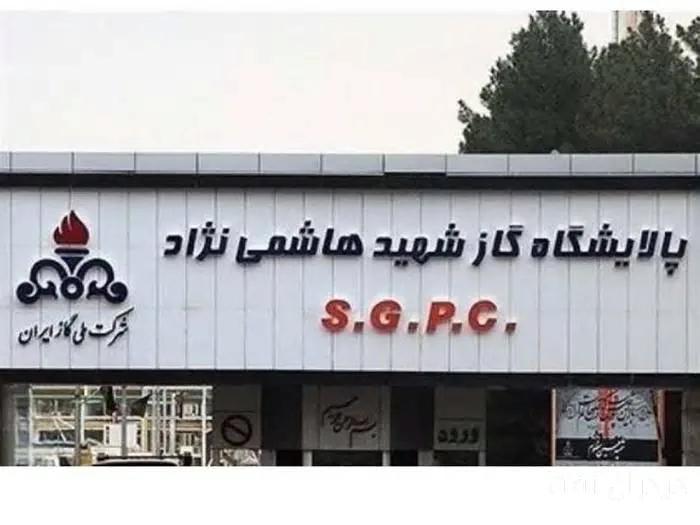
A joint crisis management and passive defense drill of the oil and gas companies of Khorasan Razavi, with the scenario of "combined enemy attacks" and aimed at assessing the readiness of operational, rescue, and safety forces and practicing the continuity of production under emergency conditions, was hosted by Shahid Hashemi Nejad Gas Refinery.
Details of the Drill and Its Objectives
This drill was held with the presence of the Deputy Energy of the Passive Defense Organization of the country, the Director General of Passive Defense and Crisis Management of the Ministry of Oil, the Director of Safety, Health, and Environment of the National Iranian Gas Company, and a number of provincial officials and military and law enforcement commanders at Shahid Hashemi Nejad Gas Refinery. Mohammad Mehdi Pouyandeh, Director General of Passive Defense and Crisis Management of the Ministry of Oil, emphasized the necessity of increasing readiness and strengthening preventive measures in the oil industry during the opening session of this drill, stating: "Given the country's conditions, it is necessary to update prevention and readiness programs and actions in line with new threats, and emergency response programs should also be practiced operationally."
Read more: Latest Oil Tanker Shipment on Sanctioned Route to Aden
He considered the holding of specialized drills an effective action for enhancing the readiness of the Ministry of Oil and added: "The implementation of these maneuvers must be pursued seriously so that, while identifying and strengthening strengths, areas for improvement are also identified and actions are taken to address them." The ultimate goal of these exercises is timely response to threats and proper management of emergency conditions to prevent the escalation of damages.
Emphasis on Energy Supply Chain Sustainability
Alireza Shakouhian, Director of Safety, Health, and Environment of the National Iranian Gas Company, also stated in this session regarding the importance of energy supply chain sustainability: "The National Iranian Gas Company supplies a significant portion of the country's energy needs, and thus, the readiness of companies active in the gas production, transmission, and distribution chain and the precise implementation of emergency condition protocols play a decisive role in the continuity of service provision."
Shakouhian also referred to the recent attacks attributed to the Zionist regime and the United States on South Pars facilities, saying: "The efforts of refinery and pressure reduction station personnel ensured that, with proper management, no disruption in energy supply was felt during the mentioned times." Yahya Faizi, CEO of Shahid Hashemi Nejad Gas Refinery, stated that the goal of conducting this drill was to assess and enhance the readiness of operational, rescue, safety, and firefighting forces, strengthen internal and external coordination, and increase response capability in emergency conditions.
During this maneuver, topics such as the presence of rapid response teams, isolating operational units, firefighting, rescue operations, and the transfer of casualties, starting adjacent operational units, and maintaining production were practiced and evaluated. Additionally, restoring facilities to stable conditions after an incident and the decision-making and crisis management processes were other focal points of the drill.
Reza Rezazadeh Feyzabadi, spokesperson for Shahid Hashemi Nejad Gas Refinery and the drill, reported on the evaluation of the performance of the public relations of the subsidiary companies during this maneuver. He said: "The coordination and cohesion among public relations, rapid and transparent communication and responsiveness to media and journalists, prevention of rumor dissemination in cyberspace, and reducing anxiety among employees' families were among the topics examined in this drill."
The holding of this drill, in addition to practicing operational and rescue scenarios, emphasized the importance of coordination among companies active in the gas industry chain, managing communications in emergency conditions, and maintaining the sustainability of energy supply in the face of potential threats.
Read more: Australian Maritime Safety Agency Bans Non-Standard Oil Tanker for 90 Days · Panama Canal Passes 7.7 Magnitude Earthquake Without Serious Damage