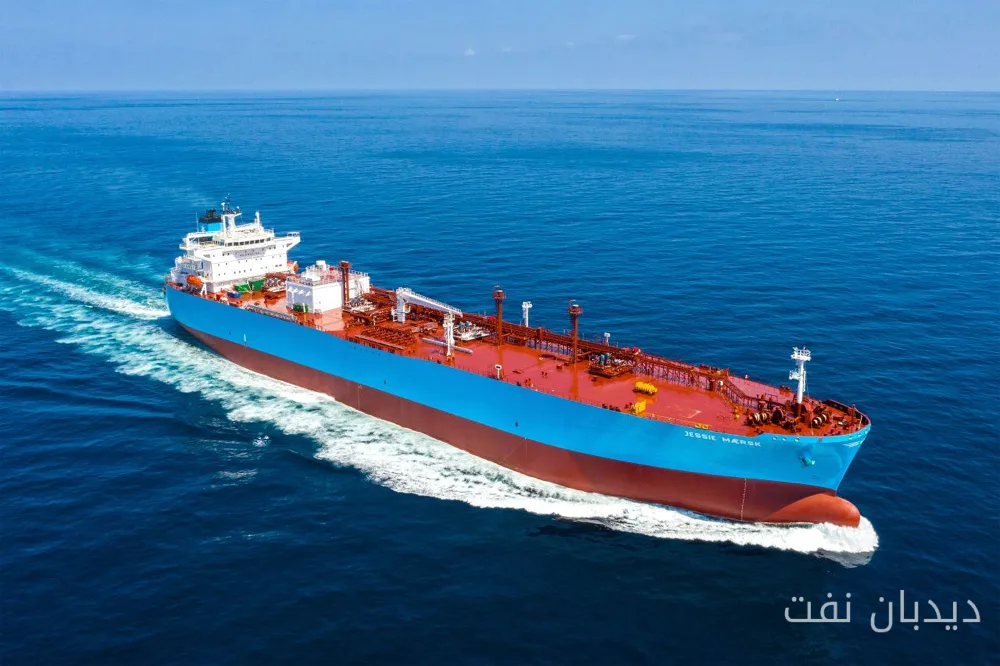
COSCO (Guangdong) Shipyard has successfully completed the first conversion of large bulk carriers (Supramax) into container ships. This project involves converting the bulk carrier Pu Tuo Hai into the container ship Singapore River, designed with a capacity of 2,528 TEU.
Project Conversion Details
The ship Pu Tuo Hai, with a weight of 53,000 DWT, entered the Guangzhou shipyard on June 10, 2023, and after more than three months, set sail as Singapore River on September 15, 2023. This conversion included the removal of four ship cranes, raising the deck height to two levels, and installing container loading guides in the cargo holds. The changes made allow for the stacking of containers up to seven tiers high.
Read more: The Deputy of the Fars Governorate emphasized the development of solar energy
Additionally, the ship's depth has been reduced from 12.6 meters to 12 meters, and the deadweight of the ship has decreased from 53,000 tons to 48,000 tons. The length and width of the ship remain unchanged at 190 meters and 32.29 meters, respectively. The main engine, MAN B&W 6S50MC-C, has also been retained, giving the ship a speed of about 15.5 knots. Although this speed is low by container ship standards, it seems sufficient for short regional trades.
Future Developments and Industry Impacts
The sister ship conversion, Jiu Hua Hai, which is also a Diamond 53 bulk carrier, is currently underway at COSCO Guangdong and is expected to sign a charter contract with X-Press in late October or early November. These developments indicate a growing trend in the shipping industry to integrate the capacities of bulk and container ships.
This year, another conversion was carried out by Zhoushan Xinya, which transformed the kamsarmax Guang Qi De Er Ta into a container ship with a capacity of 3,607 TEU. This project involved changing seven cargo holds into thirteen container holds. This trend reflects the ongoing changes at the boundaries between bulk shipping and container shipping.
During the pandemic, bulk carriers increasingly turned to carrying containers, and Star Bulk was one of the first Cape owners to receive class approval for container transport. These developments reflect new strategies in ship design and adaptation to market needs.
Read more: Establishment of the War Development Center for Automated Systems of the United States Navy · The impact of ISO 14060 standards on the transparency of net zero targets in the shipping industry