Colombia has turned to increased imports of liquefied natural gas (LNG) due to the continuous decline in natural gas production. It is anticipated that potential drought in the fall and winter will limit electricity generation from hydropower sources and increase demand for electricity generation from natural gas. The Colombian government has declared a national emergency in preparation for the drought caused by El Niño.
Decline in Natural Gas Production
According to data from the Gas Natural Market Manager in Colombia (BEC), natural gas production in Colombia has decreased from 1,070 million cubic feet per day (MMcf/d) in 2022 to 772 MMcf/d in 2025. Between January and August 2026, this production has averaged 673 MMcf/d. The main natural gas production fields in Colombia include the Casiana, Cupiagua, Pauto Sur, and Guajira offshore fields, which have been continuously declining since 2022, with no major discoveries to replace them. Proven reserves have also decreased by 39 percent between 2022 and 2025, reaching 1.7 trillion cubic feet.
Increase in LNG Imports
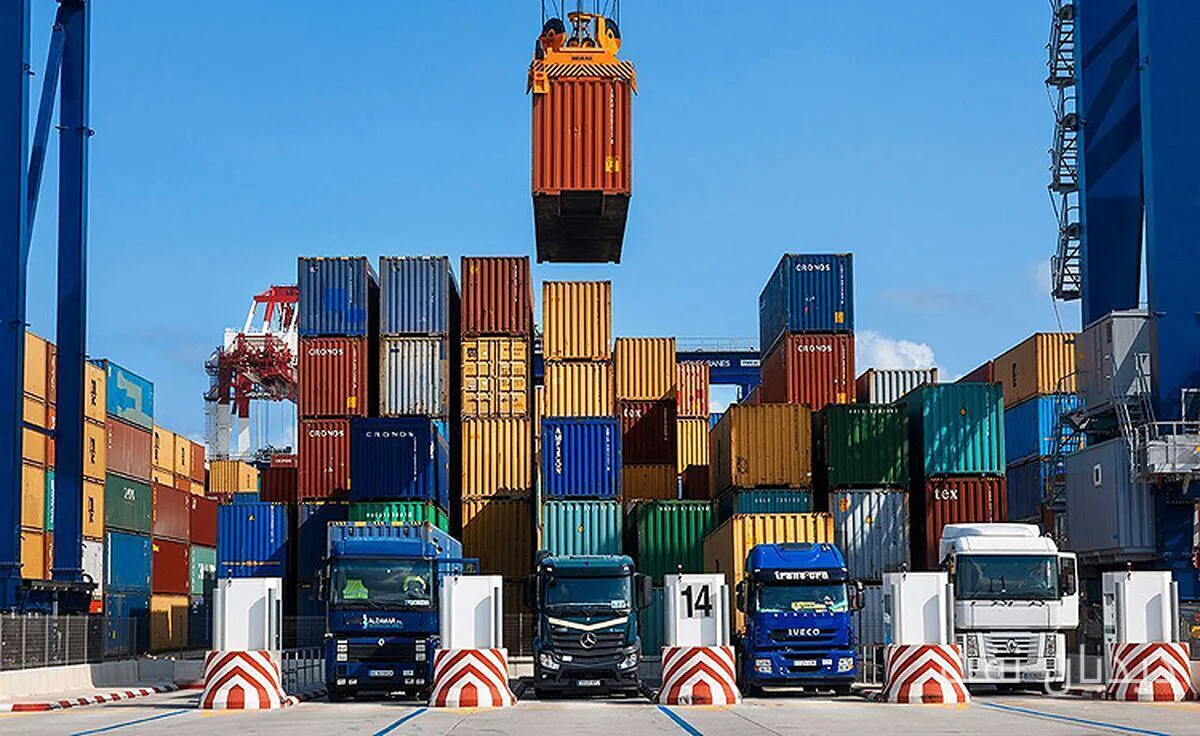
With declining production, LNG imports in Colombia are on the rise. According to BEC data, LNG imports reached a record 31 percent of Colombia's monthly natural gas supply in July 2026. Despite increasing reliance on imports, Colombia has only one active LNG import terminal named SPEC LNG near Cartagena. Efforts are underway to increase the capacity of this terminal, which is expected to be operational by the end of October 2026. Additionally, a new project called the Buana LNG terminal and other LNG terminals such as the Porto Bahia terminal and the Balna terminal will also begin operations in the near future.
On June 11, the National Oceanic and Atmospheric Administration announced that an El Niño had formed in the tropical Pacific. In October 2026, the NOAA Climate Prediction Center released a report indicating that El Niño is strengthening, with a likelihood of a strong event exceeding 83 percent. El Niño typically brings drier weather to northern South America from December to February, which can limit hydropower generation resources.