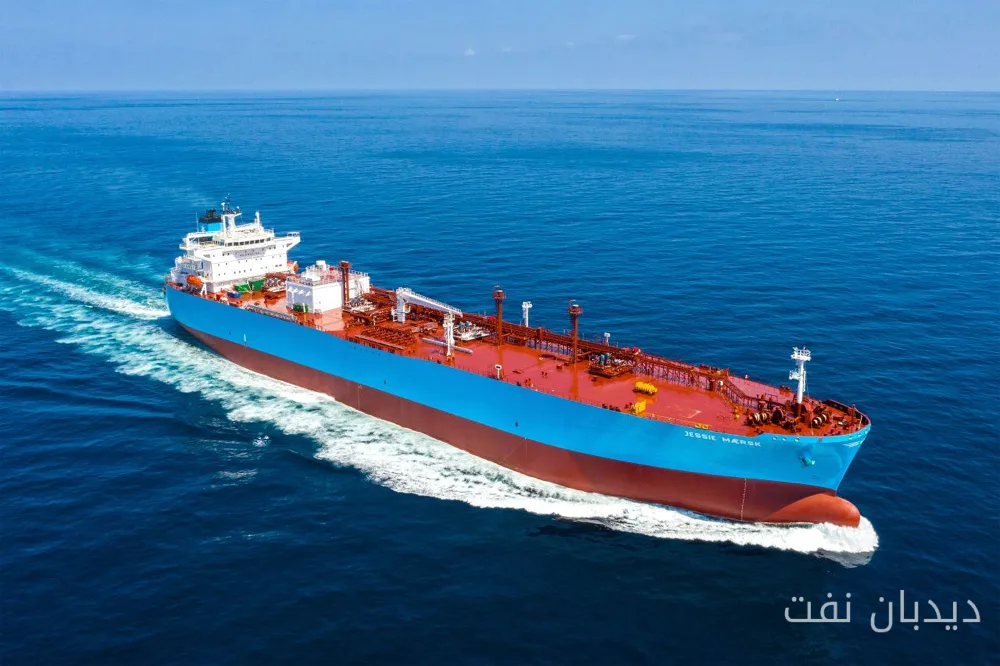
A study conducted by Blossom Energy and its partners indicates that the cost of building a nuclear LNG tanker will be approximately two and a half times that of conventional tankers. However, under specific carbon pricing scenarios, the total lifetime costs of this type of tanker may be less than those of conventional tankers.
Financial and Technical Details
This study, in collaboration with a global shipping company and nuclear technology developer Blossom Energy, modeled an LNG tanker with a capacity of 174,000 cubic meters equipped with a high-temperature gas reactor with a power of 20 to 25 megawatts. While the initial cost of the nuclear tanker is nearly 2.5 times that of conventional tankers, the total cost of ownership (TCO) over its lifetime is expected to be up to 15 percent lower, provided that additional compliance credits can be aggregated across the fleet.
Read more: Siemens Gamesa Signs Offshore Wind Service Vessel Contract with Purus
Challenges Ahead
The models conducted show that without the aggregation of credits, the TCO advantage will still be around 4 percent. However, Blossom Energy has acknowledged that in the absence of costs associated with greenhouse gases, first-generation reactors will struggle to compete under current economic conditions.
The modeling assumes that the tanker will be operational by 2040 and will have a lifespan of 25 years. Blossom's reference HTGR weighs approximately 6,000 tons and measures about 17 meters by 15 meters by 22 meters. Additionally, the project's partners have explored whether the reactor could be used as a long-term asset, so that after the retirement of the first LNG tanker, the reactor could be installed on a second tanker.
Despite these advantages, the main challenges still include safety regulations, access to ports, insurance, and remaining nuclear fuel regulations that need to be reviewed and resolved.
Read more: ABS Grants Conceptual Design Approval for 15,000 TEU Nuclear Container Ship · Monitoring of Iranian Tanker Cargo in Caribbean Waters