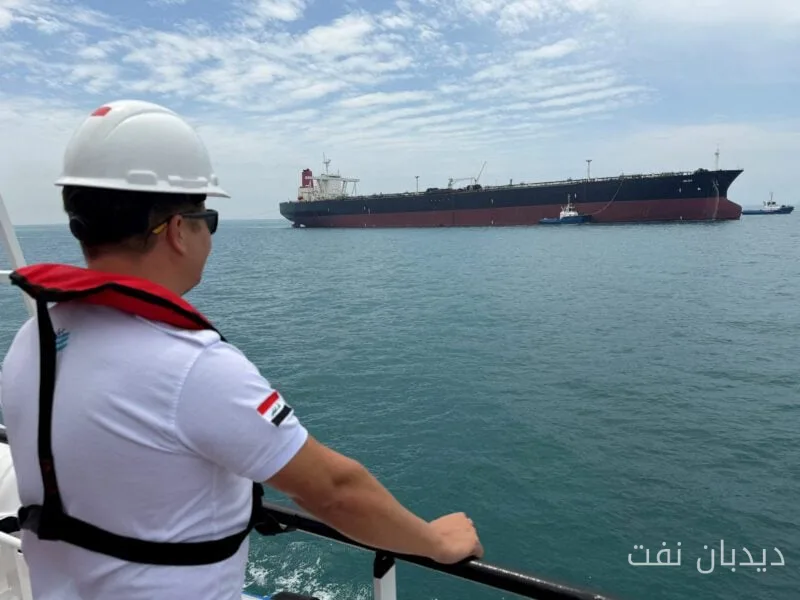
The group led by Bahrain, with the support of 80 countries, has called for the immediate reopening of the Strait of Hormuz and emphasizes the need for safe and unobstructed passage of commercial vessels. This call particularly stresses the non-collection of duties, conditions, or illegal costs.
Essential Demands for Safe Passage
This group has stated in a declaration: "We demand the immediate and complete reopening of the Strait of Hormuz and the safe and unobstructed passage of all vessels." These demands arise particularly after months of tension in the region and multiple attacks that have threatened maritime security.
The countries present in this group have expressed their support for UN Security Council Resolution 2817, which was adopted on March 11. This resolution strongly condemns Iran's attacks against Bahrain, Kuwait, Oman, Qatar, Saudi Arabia, the United Arab Emirates, and Jordan, and calls for the prevention of blocking or hindering international navigation in the Strait of Hormuz.
Economic Consequences and Maritime Security
The recent statement follows the continued commercial maritime activities under harsh conditions in and around the Strait of Hormuz after months of conflict. Additionally, the group has condemned the renewed attacks by the Houthis in Yemen and attacks against Saudi Arabia. This situation, particularly in the Bab el-Mandeb Strait, another vital trade corridor, poses risks for vessels.
This statement also emphasizes the negative impacts on commercial navigation and personnel. It states: "Commercial navigation and seafarers should never be used as a tool for pressure" and has appreciated the seafarers who operate despite security risks in the region.
The International Maritime Organization (IMO) has also confirmed that since the onset of the conflict on February 28, at least 84 incidents related to commercial vessels in the Strait of Hormuz and the Middle East have been reported, and 23 seafarers have lost their lives. Following the recent increase in incidents, UKMTO has reported three attacks or security incidents between September 16 and 18, two separate vessel incidents on September 21, and an attack on the Cape Dao vessel on September 23 that resulted in the death of an Indian seafarer.
On a broader scale, UN Secretary-General António Guterres warned in August that simultaneous disruptions in the Strait of Hormuz, Bab el-Mandeb, and the Black Sea "suffocate the arteries of global trade" and lead to increased costs for energy, fertilizers, and food. At that time, he stated that traffic in the Strait of Hormuz had nearly reached a standstill and called for the full restoration of navigation rights and freedoms.
Countries have also expressed their support for the IMO and regional partners to restore safe navigation and emphasized that they will continue to cooperate with the shipping industry to resume normal operations when security conditions allow.
This statement clearly emphasizes the necessity of fully restoring free passage in accordance with navigation rights and freedoms.