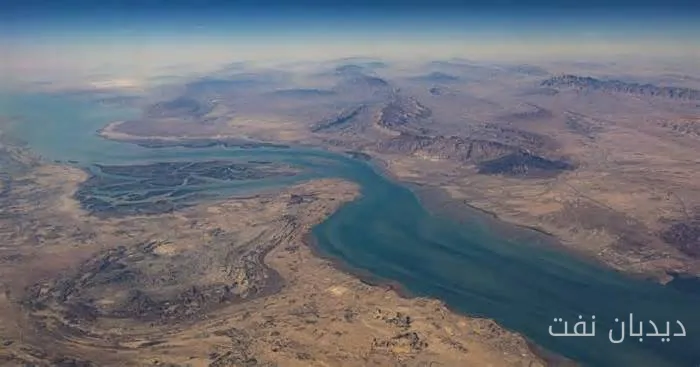
The Maritime Information Center reported the occurrence of four attacks on oil tankers in the Strait of Hormuz during the period from October 1 to 4. These events take place amid rising tensions in the region due to U.S. military movements and ongoing nuclear negotiations between Tehran and Washington.
Recent Developments and Reactions
Baghaei, the spokesperson for the Islamic Republic of Iran's Foreign Ministry, referred to the details of these attacks in a press conference held on October 4, emphasizing: "The U.S. response revolves around nuclear issues, while we have clearly stated that our focus is on the Strait of Hormuz." He also called for positive steps from the United States to secure this waterway.
Read more: The fuel tanks of the Aramco refinery in Riyadh were targeted in Yemen's attacks
The Islamic Republic of Iran proposed on October 25 that it would reopen the Strait of Hormuz in exchange for lifting the maritime blockade and issuing a sanctions exemption for oil sales. However, Donald Trump, the President of the United States, responded to this proposal by stating that the pressures from the maritime blockade had forced Tehran to make such a proposal, but he would not accept this request.
Increased U.S. Military Presence in the Region
In response to these developments, Baghaei reacted to the deployment of new U.S. forces and military equipment to the Middle East, stating that the Iranian government would continue to "strengthen its defensive capabilities." He warned that if the territories of regional countries were used again to attack the Islamic Republic, Tehran would "definitely respond in a different manner."
In this context, the Associated Press reported that the U.S. military is deploying about 9,000 troops and warships to the region. These movements could increase the number of U.S. aircraft carriers in the Middle East to three by the end of October.
Analysts believe that these military actions could be a sign of a potential resumption of attacks against the Islamic Republic and escalate regional tensions. Trump stated in an interview that Tehran would eventually be forced to accept Washington's nuclear conditions.
In another part of the press conference, Baghaei also mentioned the possibility of new operations against the Houthis in Yemen and the deployment of Pakistani forces in Saudi Arabia, expressing hope that these reports are merely rumors. He also emphasized the need to avoid using the Makkah defense pact as a tool against the Islamic Republic.
Read more: Iraq and Turkey have begun negotiations on a cooperation agreement for oil and gas · Oil tanker shipment heading to China amidst sanctions