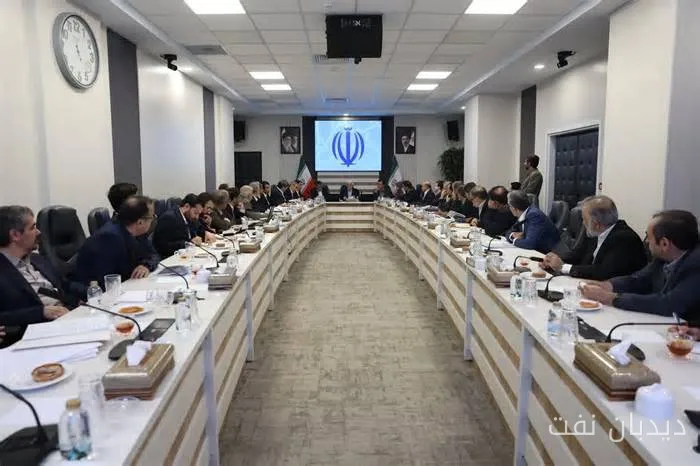
Ali Aref, the First Vice President, announced the implementation of 117 technological projects during a meeting of the Special Technology Development Headquarters dedicated to reviewing proposals for the application of modern technologies in the oil and gas industry. These projects have been prepared in collaboration with 42 organizations, and their goal is to enhance the resilience of the oil and gas industry and inter-agency coordination.
Fundamental Goals of Technological Projects
The main goal of these projects is to increase oil and gas production, complete the value chain of the refining industry, address the imbalance of gasoline and diesel, revitalize the petrochemical industry, and improve energy efficiency in the production, transmission, distribution, and consumption chain. In this regard, an increase of at least 250,000 barrels in daily oil production and an increase in the country's foreign exchange revenues by $5 billion are also considered.
Read more: Gas consumption management with the virtual refinery model of the National Iranian Gas Company
Planning to maintain production of over 700 million cubic meters of gas from the South Pars field is also included in these projects. Pressure boosting projects in this field, which are set to be inaugurated by the Fajr decade, will employ the latest technologies for utilizing pressure boosting turbines that have previously been available to five countries.
Development of Modern Technologies and Energy Savings
Aref emphasized the necessity of developing modern technologies and saving energy consumption in this meeting. He stated: "There is sufficient capacity in the country to utilize modern technologies, and the oil and gas industry benefits from elite and committed forces. With the implementation of these projects, our goal will be to increase efficiency and reduce energy consumption."
An increase of 8 billion cubic meters in gas supply through flaring control and the implementation of natural gas storage projects is also among the other goals of these projects. With the implementation of these projects, an annual saving of 1.5 billion cubic meters of natural gas will be possible.
Aref also stressed the need for a comprehensive energy consumption saving package and said: "We must reduce energy consumption through cultural promotion and public participation. Imposing fines alone is not enough."
This meeting also emphasized the use of emerging technologies for the revitalization and improvement of the petrochemical industry. Through various projects, the goal is to reduce annual imports of petrochemical products by $500 million and to secure the raw materials needed for the country's complementary industries.
Read more: Aradan is being transformed into a new destination for clean energy with the construction of a 1,000-megawatt solar power plant · Rise in tanker freight rates and its impact on the global energy market