Companies Aker BP and Höegh Evi have secured €223 million (equivalent to $260 million) from the European Union's Innovation Fund for the Atlas carbon storage project in the North Sea. This project is designed to create a large network for carbon capture and storage (CCS) aimed at connecting industrial producers across Europe with permanent storage facilities on Norway's continental shelves.
Details of the Atlas Project
The Atlas project is designed to create a large-scale carbon capture and storage network. This network will include collection hubs, specialized CO2 ships, and underwater injection infrastructure. The initial design of this project has an annual capture capacity of 6 million tons of CO2, with the potential to expand to over 10 million tons as the carbon storage market in Europe develops.
Read more: Delivery of Wärtsilä engines for two new pump ships in Brazil
CO2 Collection and Storage Process
According to the proposed system, the Atlas project will collect captured CO2 at regional export hubs near industrial clusters and then transport it to the offshore storage site using low-pressure ships. CO2 will be injected directly through underwater infrastructure into a saline aquifer at depths of over 2000 meters below the seabed, eliminating the need for extensive pipeline networks on land.
This project was identified in April 2026 as a project of common interest to the European Union, with the potential to provide cross-border carbon transport and storage infrastructure. The granting of funding by the European Union is subject to a final investment decision.
The Atlas project has now completed its feasibility phase and has moved to the selection phase, with the aim of making a final investment decision by 2028 and anticipating initial injection in 2031.
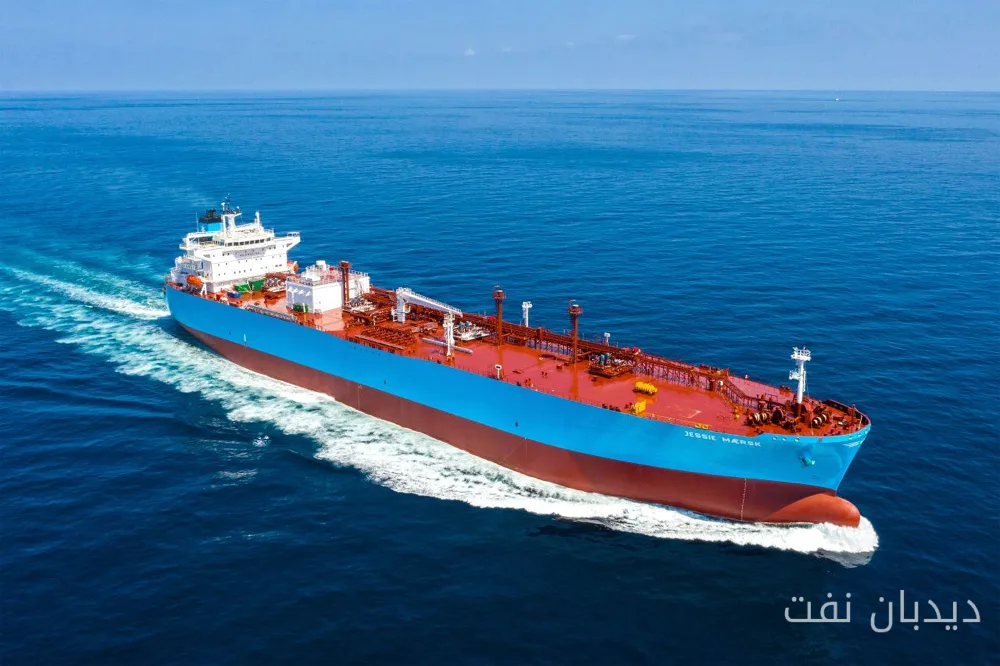
Project partners are also developing specialized ships for transporting liquid CO2. In June 2025, they received principle approval from the classification society DNV for new generation ship designs with capacities of up to 50,000 cubic meters.
Read more: Fincantieri launches BOOST² program for shipbuilding transformation · New EU strategy to enhance maritime security in the Arctic