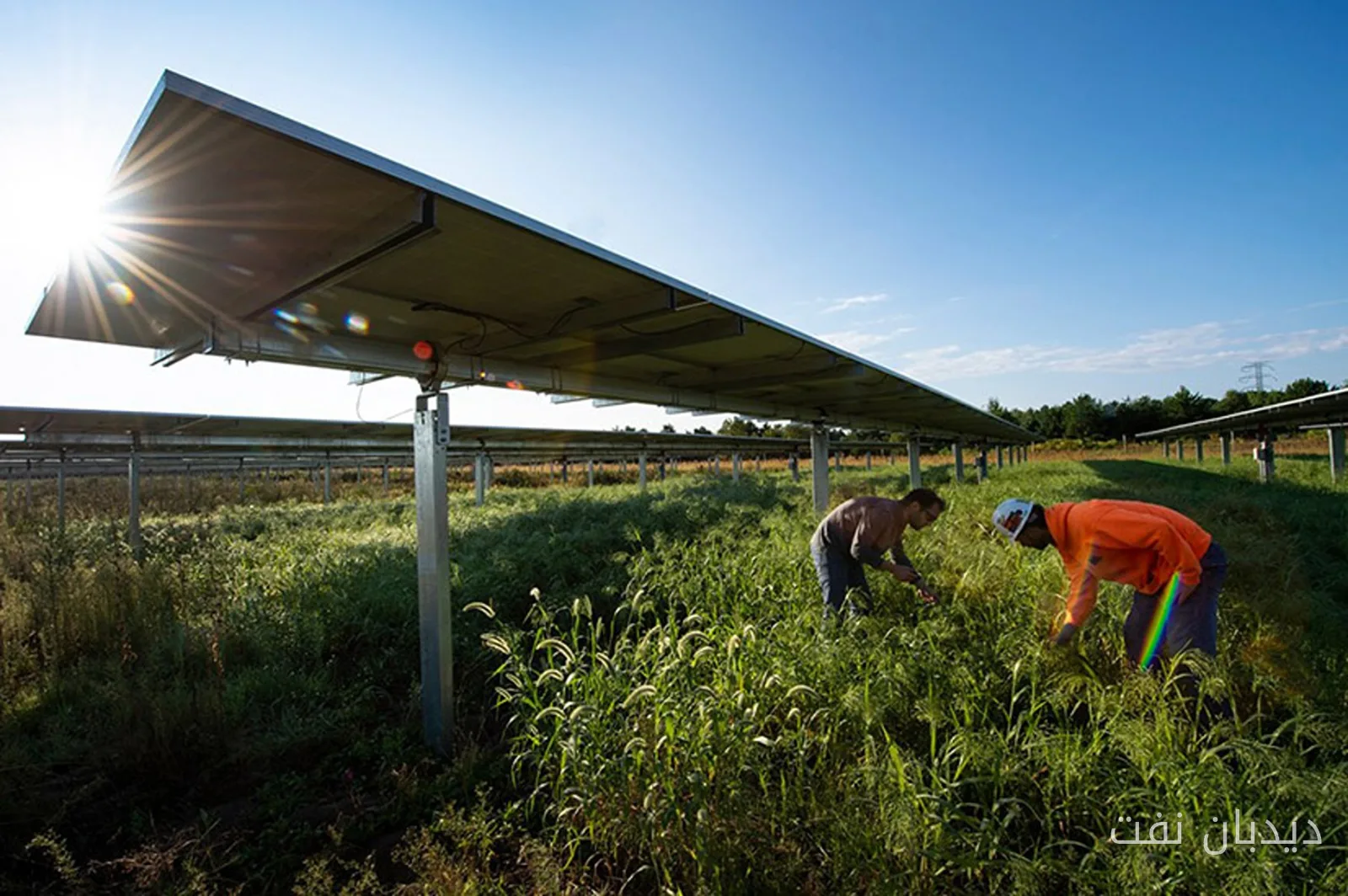
The European Union has recently embarked on a revolution in the renewable energy sector. As the continent moves towards its ambitious goals for reducing greenhouse gas emissions, significant challenges regarding energy infrastructure lie ahead. The European Commission is collaborating with the Parliament and the Council of Europe to facilitate processes and remove key obstacles.
Challenges of Electricity Networks
With the increasing growth of clean energy projects, electricity networks are under significant pressure. This pressure is particularly felt in areas where renewable resources such as wind and solar are rapidly expanding. While new and innovative technologies are being developed, outdated and insufficient infrastructure is seen as one of the biggest barriers to achieving green goals.
This issue is especially evident in connecting new projects to existing networks. In fact, delays in establishing infrastructure can lead to reduced network reliability and hinder the achievement of clean energy macro goals. Therefore, the European Union is seeking solutions to expedite permitting processes and increase investment in this sector.
Proposed Solutions
The European Commission has proposed measures to optimize the processes of establishing and expanding renewable energy infrastructure. These proposals include streamlining permits, increasing international cooperation, and encouraging investment in innovative technologies. The ultimate goal is to create a sustainable and efficient electricity network that can meet the growing energy demands.
The transformation in Europe's renewable energy policies will not only help improve the environment but could also lead to job creation and economic growth. However, the success of these plans depends on the EU's ability to manage infrastructure challenges and finance projects. The future of energy in Europe is heavily reliant on these developments, and it remains to be seen whether this continent can achieve its goals or not.