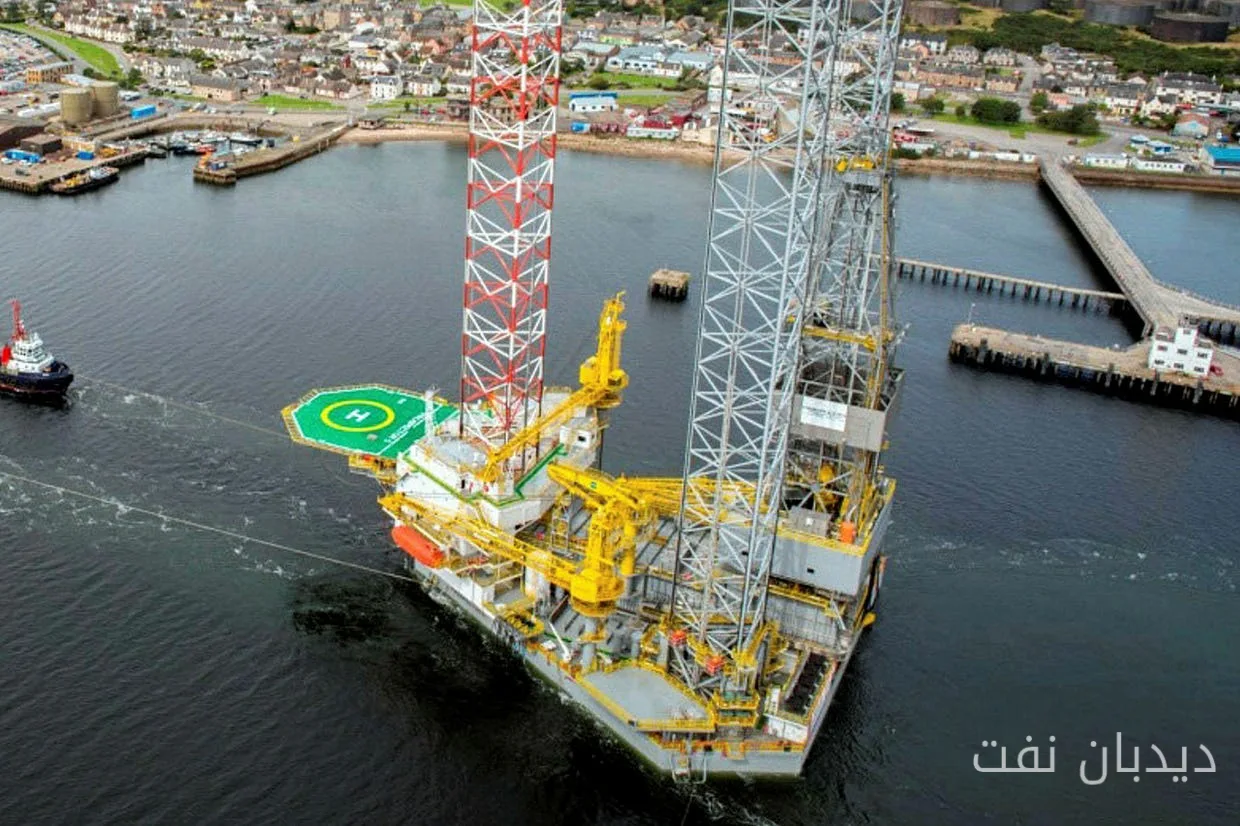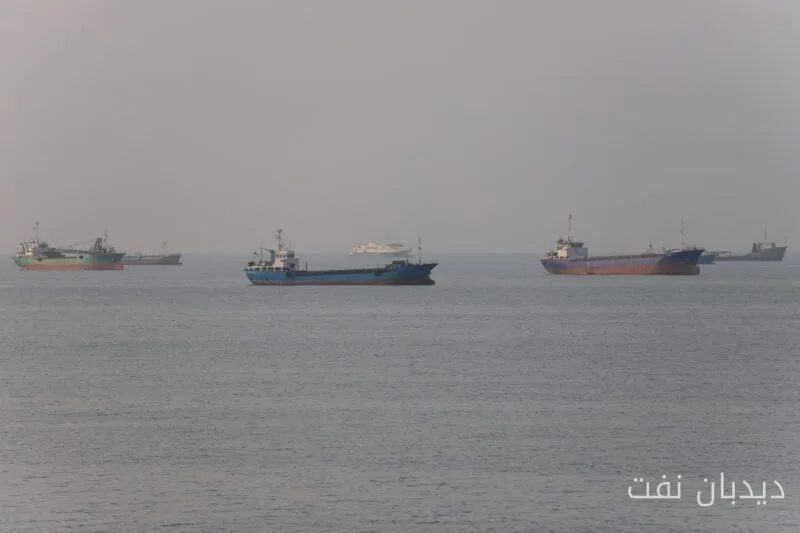
Oil producers in the Gulf, particularly in Iran and the United Arab Emirates, continue to maintain their oil exports under the current challenging conditions using the Ship-to-Ship (STS) transfer system. This system allows producers to transport oil from Middle Eastern oil fields to the global market without the risks associated with passing through the Strait of Hormuz.
History and Current Status of Oil Exports
Since the onset of armed conflicts in Iran in February 2023, the Strait of Hormuz, through which about one-fifth of global oil consumption passes, has been severely affected by strict restrictions. In this situation, producers have been forced to change their export routes and reduce production. However, the United Arab Emirates has increased its oil exports to 3.6 million barrels per day in September using the STS system, which is above the average of 3.4 million barrels per day in 2025.
Read more: Shahran Oil Storage Gains Access to Dedicated Bridge
Economic Impacts and New Challenges
The STS transfer method allows producers to use shuttle vessels to transfer oil from Gulf terminals to the safe waters of the Gulf of Oman. Despite high costs, this is seen as a temporary solution to the challenges arising from regional conflicts. For instance, the freight rates for large oil tankers have risen above $30 per barrel, accounting for more than 25% of total costs.
This situation has not only led to increased oil export costs but has also forced producers to offer deeper discounts on their oil. This has resulted in reduced oil revenues and a transfer of wealth from producers to shipowners.
Given the current situation, it seems that the global energy market is adapting to increasing geopolitical risks. However, oil trade in the Middle East is becoming an inefficient system reliant on military routes and temporary hubs that were never designed for this volume of oil.
Ultimately, the continuation of these conflicts and threats will lead to further impacts on the global energy market. The longer this situation persists, the more expensive and fragile the global energy system will become.
Read more: Italian Company Augusta Do Signs Contract for Three New Tankers in China · Continued Oil Exports from Iran via the Persian Gulf