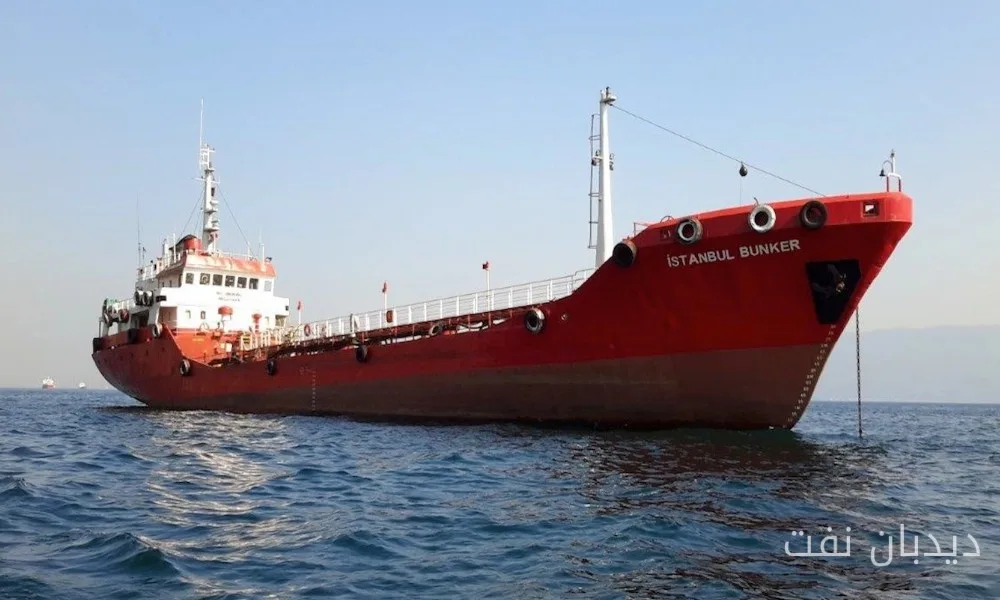
In light of recent developments in the oil market, Wall Street is gradually abandoning its optimism about a quick end to the global oil crisis. As oil analysts update their forecasts for 2027, news of transportation disruptions in the Middle East and declining oil reserves signals a new red light for the global oil market.
New Challenges on the Horizon
Analysts believe that inflation risks and ongoing disruptions in the supply chain will put pressure on oil prices in the coming years. This situation is particularly felt in the Middle East, which is a key area for oil production and export. With declining oil reserves, it seems that this crisis will not end anytime soon.
Meanwhile, oil price volatility has become one of the hot topics in economic circles. Analysts are looking for solutions to cope with this crisis and predict that we should expect significant changes in the global oil market.
Increased Forecasts and Concerns
The increase in oil price forecasts reflects deeper concerns about the future of the market. Analysts are increasingly focusing on factors such as inflation and market volatility, and they have well understood that the current crisis could seriously impact the global economy.
Ultimately, considering all these factors, it seems that Wall Street is currently seeking a way to adapt to the new conditions. These developments in the oil market not only affect prices but could also have a broader impact on the economic and trade policies of various countries.