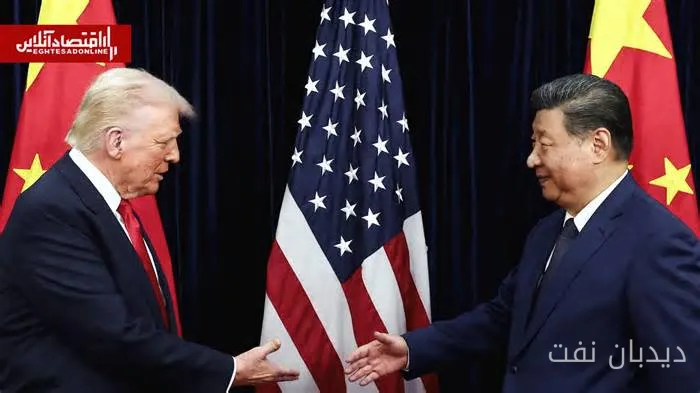
The international negotiations between the US and China on September 24, 2023, focus primarily on economic challenges and sanctions related to Iran. These negotiations come in the wake of trade and economic tensions between the two countries, aiming to reduce tariffs and return to energy trade.
Background of the Negotiations and Challenges
Previous negotiations between Donald Trump and Xi Jinping in May 2023 in Beijing led to a reduction in tensions, but many unresolved disputes remain. The existing tariff ceasefire between the two countries will expire on November 10, 2023, raising concerns about the potential for increased tariffs and a resurgence of the trade war.
China currently holds a significant share of the world's processing of critical minerals, and the US is seeking to increase export licenses for rare elements for its companies. This issue has become particularly important in terms of securing raw materials for American industries. One of the key challenges in these negotiations is the issue of US secondary sanctions on China's trade with Iran and Russia.
Secondary Sanctions and Their Impact on Economic Relations
The two countries will examine the impact of US economic sanctions on China's economic relations with Iran during these negotiations. In this context, Washington seeks to prevent Iran from acquiring nuclear weapons and to control the financing of Iranian trade. This issue could emerge as one of the key points in the negotiations, especially since China is in a sensitive position due to its close ties with Iran.
Additionally, the issue of purchasing American goods is also on the agenda. China had previously committed to purchasing about 25 million tons of US soybeans by 2028, and recent negotiations have also mentioned the purchase of other agricultural products. Although these commitments have not been formally confirmed, they could be seen as a basis for a more tangible agreement between the two countries.
Considering that US oil and gas exports to China have halted following the imposition of tariffs, returning to energy trade is one of the important options in the negotiations. This proposal could help create a basis for reducing tariffs and resuming energy trade between the two countries while also having positive effects on the global energy market.
Ultimately, the negotiations on September 24, given the complex issues at hand, could help determine the fate of economic and trade relations between the US and China in the coming years.



