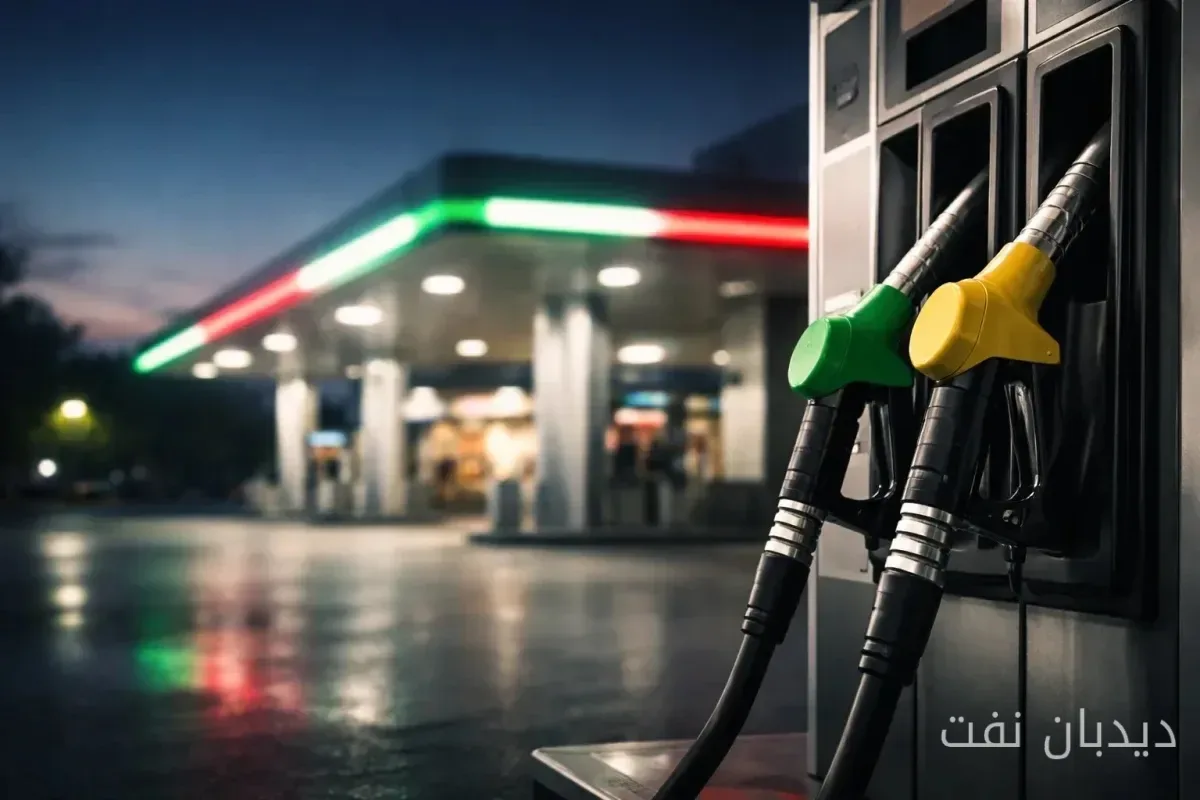
The third gasoline rate, effective from September 8, 2026, with an increase in price from 5,000 tomans to 10,000 tomans, has been proposed as one of the key measures for managing fuel consumption in Iran. This change, following energy imbalances and fuel supply constraints, requires a more detailed examination of consumption patterns and consumer behavior.
Impact of Rate Increase on Consumption Pattern
The decision to increase the excess gasoline rate was made to reduce excessive consumption and create incentives for savings. However, the main question is whether consumers are truly able to reduce their consumption. Factors such as the need for daily commuting, economic conditions, and the lack of adequate public transportation can place additional pressure on households and have negative effects on their economic situation.
Read more: The “Trip” Project and the Entry of the Zangezur Corridor into Operational Phase in Armenia
Reports indicate that daily gasoline consumption in Iran has been estimated at around 134 million liters in recent months, which exceeds the capacity of refineries. Estimates also indicate a gap between domestic production and demand, which is being addressed through imports and the blending of various materials.
Changes in Consumer Behavior
Assessments of consumption trends following the implementation of the third rate show that the annual growth of gasoline consumption has reached near zero and even negative territory. Meanwhile, an increase in gasoline production of about 17% has been reported, which may signal an improvement in the situation. However, it is still not possible to attribute all these changes solely to the increase in the third rate.
On the other hand, the approximately 12% increase in compressed natural gas (CNG) consumption following the implementation of the plan may be seen as a sign of a shift in part of the demand to alternative fuels. For a more accurate assessment, it is necessary to determine the extent of the reduction in gasoline consumption simultaneously with the increase in CNG. Thus, it must be said that the success of the plan does not solely depend on a temporary reduction in consumption, but the sustainability of reduced consumption and the improvement of the fuel balance in the coming months is also crucial.
The gasoline rationing policy is designed to distribute subsidies fairly; however, in practice, drivers who travel long distances daily do not find themselves in the same position as those who make unnecessary trips. Therefore, fuel consumption management must be designed to address the real needs of consumers.
Ultimately, to achieve sustainable results, it is necessary for price reforms to be accompanied by improvements in efficiency and the development of public transportation, along with the modernization of refineries and the strengthening of alternative fuels. Otherwise, the price increase may only lead to a temporary reduction in demand pressure and not resolve the structural issues of imbalance.
Read more: Hyuk Kwon Introduced Five Oil Tankers as Collateral for Settling His $277 Million Tax Debt · Mohammad Taghi Fayyazi: Unprecedented Combination of Inflation and Negative Growth in Iran's Economy