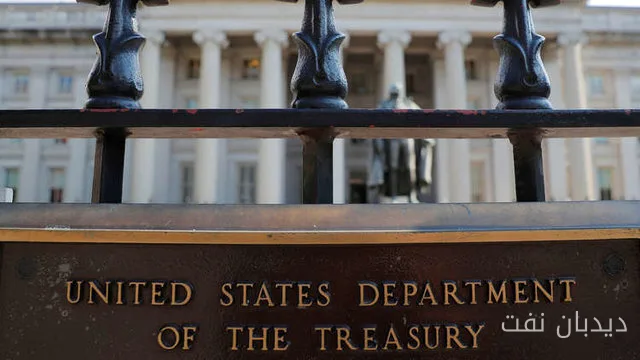
In the latest action by the U.S. Treasury Department, Turkey's thirty-fifth largest bank has been sanctioned. This sanction, which aligns with Washington's economic policies against financial institutions linked to Iran, appears to signify new dimensions of the United States' efforts to tighten the pressure on financial networks.
Details of the Sanction and Its Impacts
The sanction of this Istanbul-based bank, along with three other financial and insurance entities, showcases new dimensions of economic tensions between the United States and Turkey. This action, in addition to putting pressure on the Turkish economy, could have significant impacts on the country's trade and financial relations with other nations.
Economic analysts believe that these sanctions could lead to heightened domestic discontent in Turkey. In fact, with increasing economic pressures, the Turkish government may face more serious challenges in social and political domains. Meanwhile, Turkish banks and financial institutions will be forced to adopt new measures to cope with these pressures.
Reactions to the New Sanctions
Reactions to these sanctions are rapidly forming in Turkey's economic and political circles. Some experts believe that these sanctions could lead to a decrease in investor confidence in the Turkish market, subsequently affecting the country's economic growth. At the same time, the Turkish government seems to be attempting to find ways to alleviate these pressures through diplomacy and negotiation.
Ultimately, it remains to be seen whether these sanctions will achieve their goal of weakening Turkey's financial institutions or whether they will strengthen a sense of nationalism and unity against external threats. This issue could serve as a serious test for the Turkish government and its management of future economic crises.