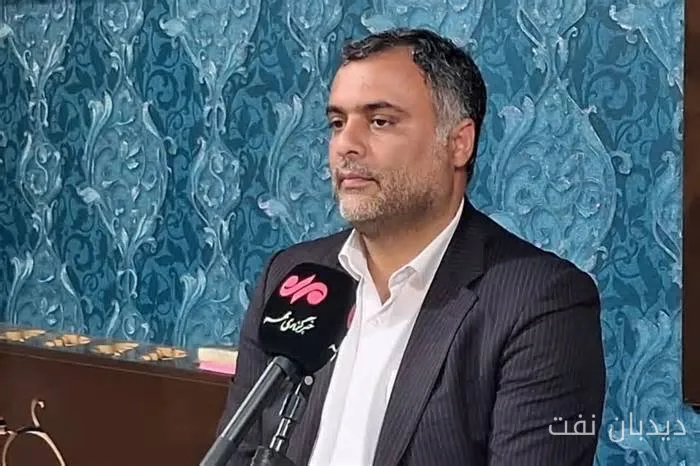
Severe currency fluctuations in recent days have turned into one of the hot and controversial topics. In an economic roundtable, Masoud Tavakoli and Mousa Shahbazi analyzed the roots of these fluctuations and pointed out interesting points. They believe that sanctions and external restrictions are only part of the equation, and special attention must also be paid to the oil-based structure of the country's economy.
Oil Structure and Dependency on Currency
Tavakoli and Shahbazi pointed to the dependency of prices on the exchange rate and its impact on various markets. These two economic experts believe that the oil-based structure of Iran's economy is so vulnerable that any small fluctuation in oil and currency prices can quickly affect prices in domestic markets. They also noted that the $20 billion in fuel smuggling significantly fuels currency fluctuations and can have severe consequences for the country's economy.
The Impact of Smuggling on the Currency Market
One of the most important points discussed in this roundtable was the role of smuggling in the instability of the currency market. According to them, when such a volume of smuggling occurs easily, it is natural for financial and currency markets to undergo serious changes. This situation not only undermines public trust but can also hinder both foreign and domestic investments.
Ultimately, Masoud Tavakoli and Mousa Shahbazi emphasized that currency fluctuations can lead to a decrease in people's purchasing power and an increase in prices, highlighting the need for structural reforms in the economy. They believe that only by reducing dependency on oil and improving the currency market can economic stability be achieved.