The German Navy (Bundesmarine) has taken steps to strengthen its capabilities against maritime threats, particularly from the Russian Navy, by increasing the number of anti-submarine destroyers and establishing a new naval base.
Increase in the Number of Destroyers
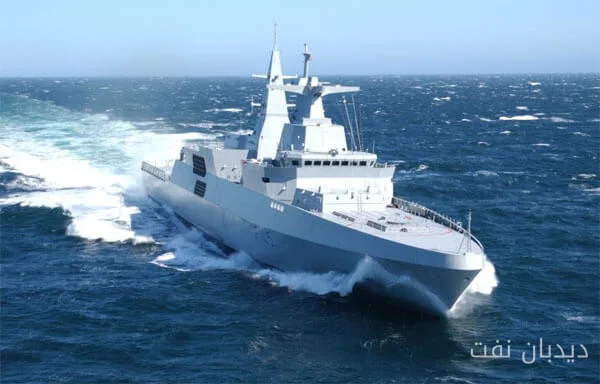
The German government decided on October 11, 2026, to double the purchase of the MEKO A-200 DEU destroyer design from TKMS. Under this agreement, the number of these destroyers will increase from four to eight. This contract is being implemented to replace the F-126 Niedersachsen class destroyer program, which has faced significant delays. The final cost of the eight A-200 destroyers is estimated to be around $13 billion.
Read more: Russia Attacked Four Cargo Ships in the Black Sea
Establishment of a New Naval Base
The German Minister of Defense, Boris Pistorius, announced on the same day that a new naval base will be established in the port of Emden on the North Sea coast. This base will allow the German Navy to quickly access the Atlantic Ocean and the North Sea. The German Navy has not had a presence in this area since the 1990s, and returning to this port is considered a strategic option against Russian threats.
Pistorius emphasized at a press conference: "This action will strengthen Germany's and NATO's deterrent capabilities. We currently have the smallest navy in the history of the German armed forces, but at the same time, we have the largest and most comprehensive task portfolio. Therefore, the navy must grow, and this will happen."
Concerns Over Russian Naval Activities
NATO's European members are concerned about the increasing activities of the Russian Navy in critical maritime infrastructures in the Baltic Sea, North Sea, and Barents Sea. These activities are expected to potentially lead to an undeniable attack on the EU's critical infrastructures. For this reason, the UK and the EU are investing in strengthening the protection of these infrastructures, and anti-submarine destroyers are considered key components for hunting submarines.
These developments indicate significant changes in the defensive and strategic structure of the German Navy and could have substantial impacts on maritime security in Europe.
Read more: The Bulgarian Navy Deployed to Find Evidence at the Site of the Attack on Ships · Germany Blocked COSCO's 80% Purchase of the Konrad Zippel Transport Company