The USS Theodore Roosevelt (CVN-71) has been dispatched to the Pacific Ocean for the first time along with an unmanned surface vessel named Seahawk. This historic deployment, which took place on October 8, 2023, signifies significant advancements in U.S. maritime technologies.
Deployment Details and New Technology
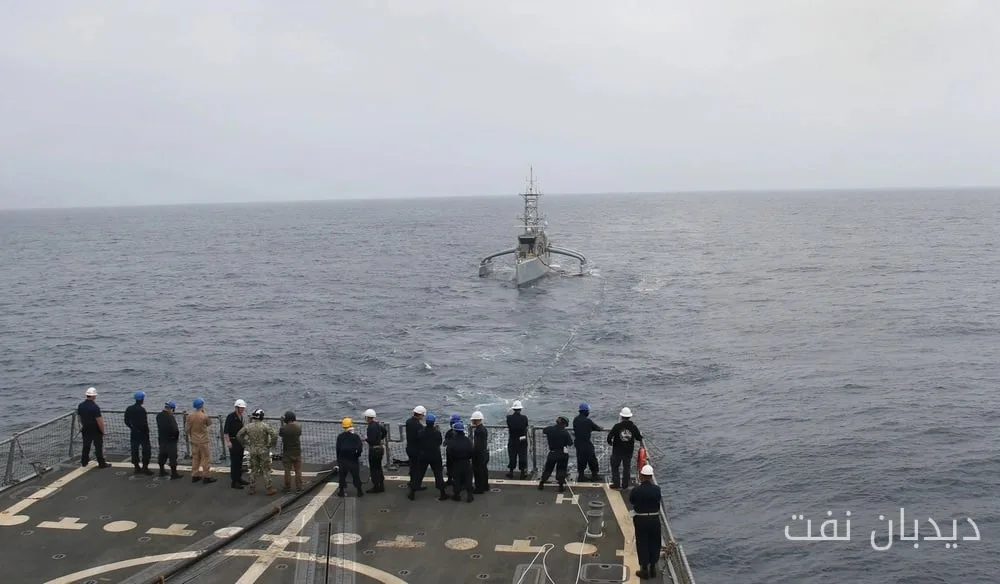
The Seahawk, which has been under development since 2017, is designed to operate autonomously at sea without the need for crew. This vessel is part of the U.S. Navy's initiatives to enhance surveillance and operational capabilities at sea. The Seahawk, as an unarmed vessel, is designed to carry surveillance equipment and sonar systems for tracking submarines.
In September, images related to refueling operations behind the USS Chafee destroyer with this experimental vessel were released. This event demonstrates the Navy's readiness to integrate this new technology into its fleet.
Strategic Implications and Military Applications
In a recently held conference, Hung Cao, the acting head of the U.S. Navy, stated that this deployment is a milestone in the history of naval operations. He remarked, "This is the first carrier group to be deployed with a large unmanned surface vessel, and it serves as a force multiplier for the Navy. Just imagine how many more weapons are now at sea."
Cao also referred to the use of unmanned underwater vehicles (UUVs) for mine clearance in the Strait of Hormuz. This action has allowed the Navy to carry out dangerous tasks without putting its ships and crews at risk. Analysts initially believed that clearing mines without neutralizing threats from Iran to surface vessels would not be possible, but the use of underwater drones has resolved this issue.