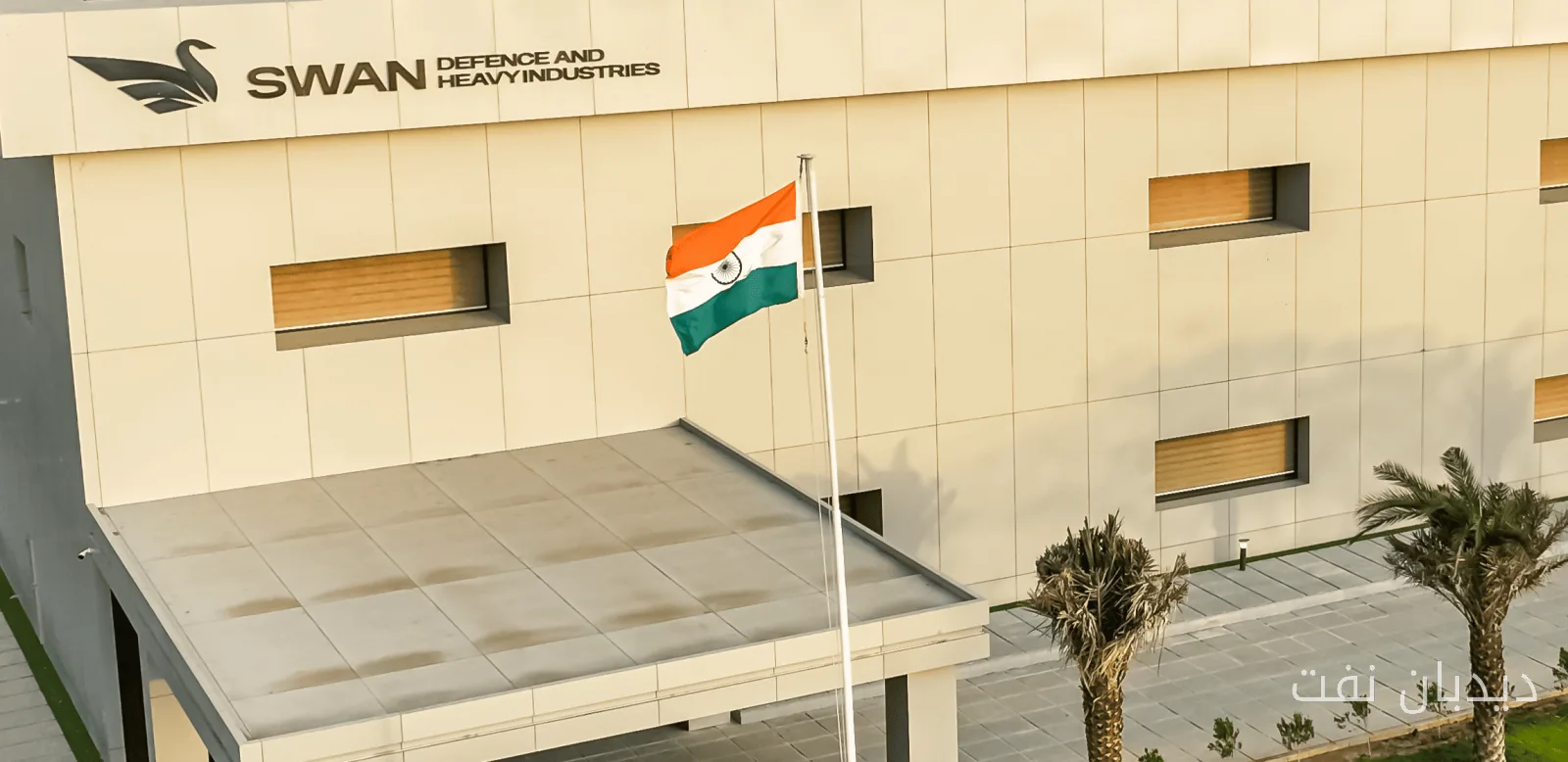
Swan Defense and Heavy Industries (SDHI) has more than doubled its workforce in an 18-month period and has set a goal to hire over 550 more by March 2027, given the rapid growth in orders. The company, recognized as a pioneer in the shipbuilding and heavy construction industry in India, is strengthening its teams in shipbuilding, repair, and refurbishment, including project management, design, supply chain management, heavy construction, and civil works.
Creating New Job Opportunities
In addition to increasing its domestic workforce, it is estimated that the scalable implementation of ongoing projects at SDHI will create at least 5,000 new jobs in the next two to three years through suppliers and supply chain partners. This means providing more job opportunities in the Indian maritime industry ecosystem.
SWAVALAMBAN Training Program
Last year, the company launched a program called SWAVALAMBAN, which is a structured training initiative supported by the government and universities aimed at creating a skilled and self-reliant workforce in the maritime sector. This program has turned various stages, including resource provision, pre-advance, technical training, consulting, and workplace deployment, into a cohesive educational journey.
As a sign of the success of SWAVALAMBAN, SDHI has announced that over 100 engineers, industrial technicians, and graduates have been trained in this program. This initiative has reduced the transition time of trainees from classroom to workplace by at least 30 percent.
SWAVALAMBAN has been developed in collaboration with the Ministry of Shipping and Waterways, the Ministry of Skill Development and Entrepreneurship, and India's maritime universities, and as the first shipbuilding-specific training program in India, it currently leads specialized maritime courses at 11 participating educational institutions.
Vice Admiral Vipin Kumar Saxena (Retd.), CEO of SDHI, stated: "To support India's vision of becoming a global maritime power, we must invest heavily in human capital and physical infrastructure. The success of SWAVALAMBAN demonstrates that structured training tailored to industry needs can significantly accelerate technical readiness. We are nurturing skilled professionals who will be the backbone of our shipbuilding and heavy engineering operations."
With the expansion of shipbuilding capacity and its impact on India's blue economy, developing a ready-to-work workforce for the industry remains a vital national priority, aligned with the Indian government's goal of creating 28 million maritime jobs under the Maritime Vision 2030.